


Dynamic Impact Effects of Rail Joint Misalignment on Fasteners and Fishplates
Q1: How does joint step produce dynamic impact?
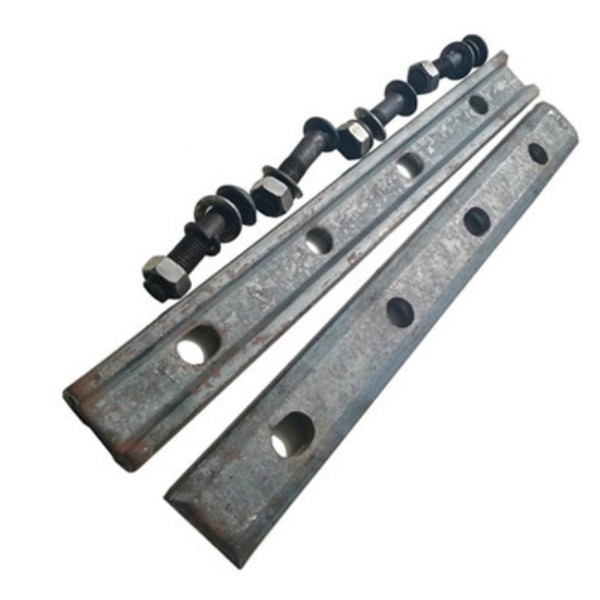
A1: The step formed by the joint causes instantaneous impact when the wheel passes, generating impact power far greater than the normal load, which directly acts on the fishplate, bolts and fastener system.
Q2: What significant impact does joint step have on clip fatigue life?
A2: Impact causes the clip to bear severe alternating stress, greatly increases the stress amplitude, accelerates the initiation and propagation of fatigue cracks, and shortens the service life by more than 50%.
Q3: Why is the bolt fracture rate significantly higher in the step section?
A3: Impact causes bolts to bear repeated combined tension and bending stress, with serious stress concentration, especially at the thread root, where cracks are easy to generate and rapidly propagate to fracture.

Q4: Which is more harmful: lateral or vertical step?
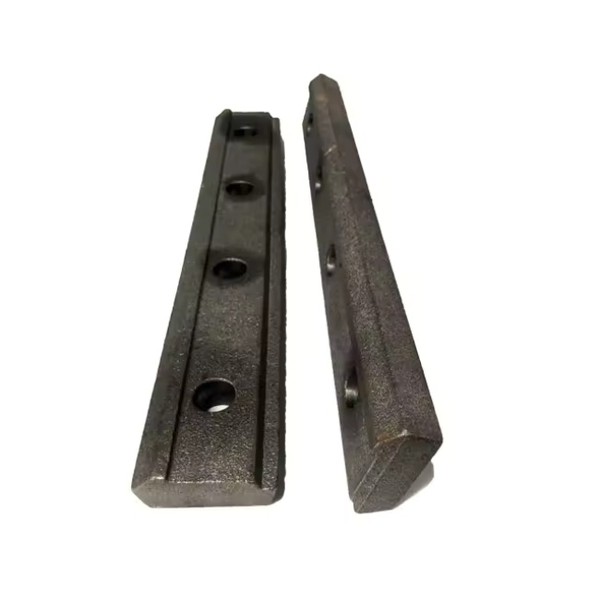
A4: Vertical step causes vertical impact, which is more directly harmful to fishplates and pads; lateral step aggravates lateral force, which is more harmful to gauge and clip eccentric load. Both need timely treatment.
Q5: How to control the development of joint steps through operation and maintenance?
A5: Regularly check joint smoothness; retighten bolts in time; rectify rail end crushing and fat edges; strengthen tamping or support in the joint area to avoid foundation settlement.