


The Coupled Effect of Abrasion and Fatigue on Rail Fasteners in Arid and Sandy Environments
Q1: Why does wind sand accelerate fastener surface wear?
A1: High-speed wind sand carries sand particles, continuously impacting and cutting the surface of clips, bolts and blocks, forming erosion pits and scratches, damaging the surface protective layer and accelerating material loss.

Q2: How does erosion damage aggravate clip fatigue cracking?
A2: Erosion forms stress concentration points on the surface, which become fatigue crack sources. Under vibration load, cracks propagate rapidly, causing clips to fracture far before reaching the design life.
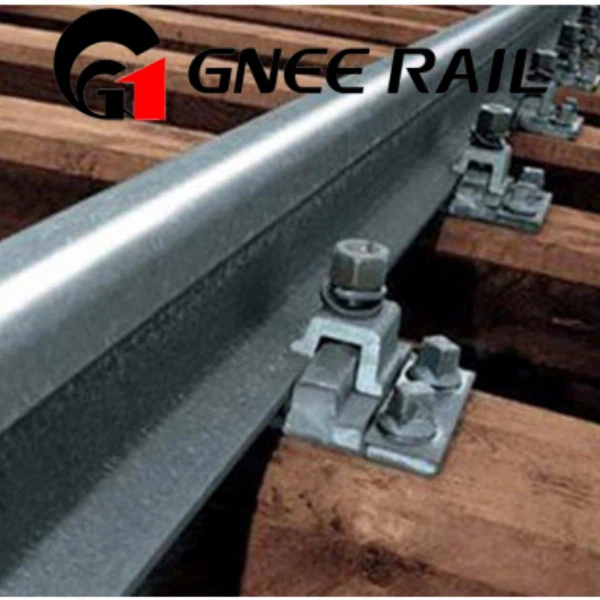
Q3: Which components fail most prominently in wind and sand environments?
A3: Clip surface erosion fatigue, rapid wear of gauge block working surface, bolt thread wear and slipping, pad surface scratch aging are all much more serious than in ordinary areas.

Q4: How to balance corrosion protection and wear resistance of fasteners in wind and sand areas?
A4: Adopt high-hardness, erosion-resistant surface treatment; select wear-resistant engineering plastic gauge blocks; strengthen surface anti-corrosion coating; regularly clean accumulated sand to reduce abrasive retention.
Q5: What targeted measures should be taken in operation and maintenance?
A5: Increase inspection frequency; focus on surface damage and cracks; retighten torque in a timely manner; carry out special investigation after wind and sand seasons, and replace damaged components in advance.