


Rapid On-Site Identification and Safety Level Classification of Fatigue Fracture of Track Clips
Q1: How to quickly distinguish fatigue fracture from brittle fracture on site?
A1: Fatigue fracture has obvious crack propagation traces and layered fracture; brittle fracture has a flat and bright fracture surface, sudden fracture without obvious development process.
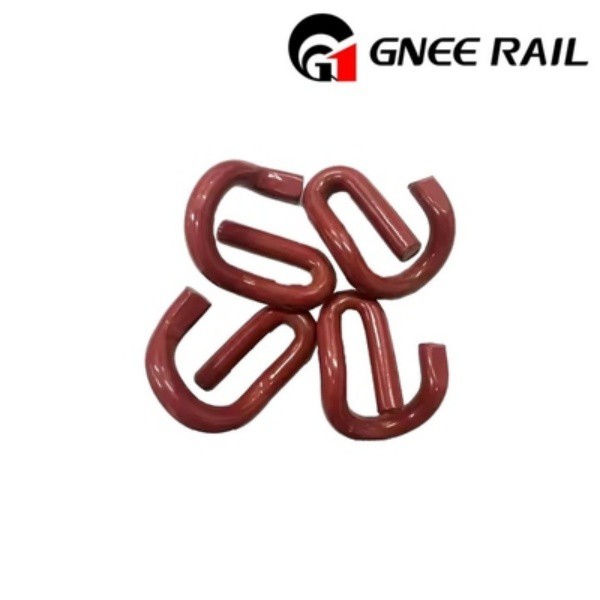
Q2: What safety level should a single clip fracture be classified as?
A2: It is general high risk, which needs to be marked immediately and replaced as soon as possible. Monitoring should be strengthened when trains pass to avoid continuous failure.
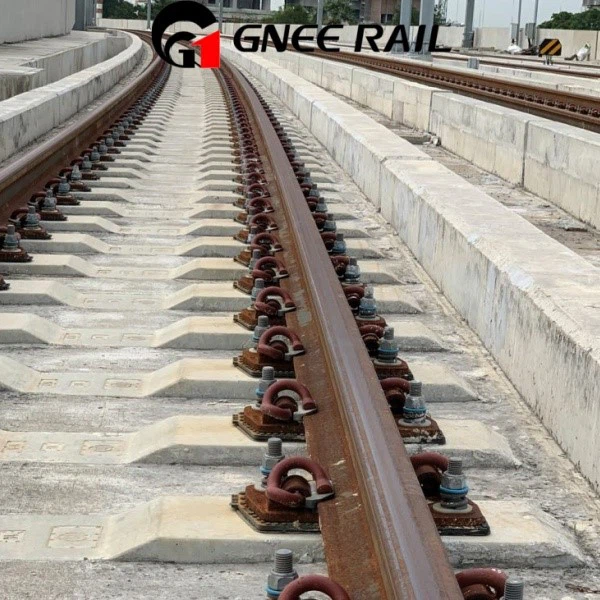
Q3: What is the level of fracture of two or more clips in the same section?
A3: It is serious high risk. Blocking or speed limit must be carried out immediately, emergency replacement is required, and normal driving is strictly prohibited to prevent rail instability.
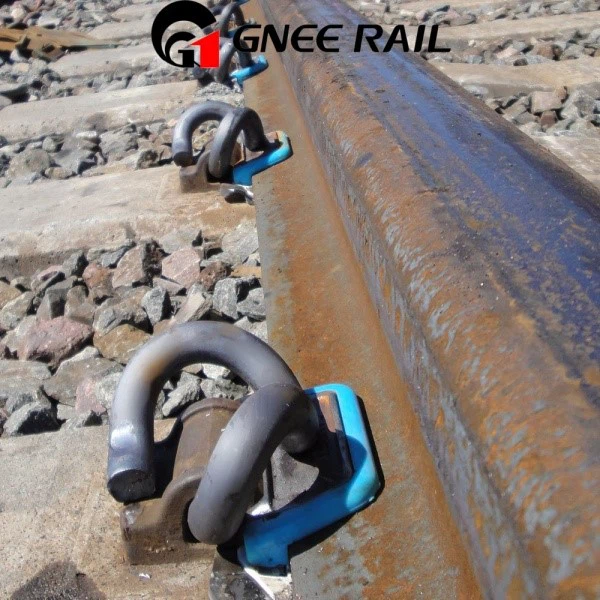
Q4: When should the crack length be treated as fracture?
A4: When the crack in the arc area exceeds 5mm or penetrates 1/3 of the section, it has failed even if it is not completely broken, and must be replaced immediately as a broken part.
Q5: Which key positions should be focused on during discrimination?
A5: Focus on the root arc transition zone, middle bending section and rail contact arc surface of the clip, which are high-incidence positions for cracks and fractures.