


Rail Tie Plate
▲What is Rail Tie Plate▲
A rail tie plate, also known as a base plate or sole plate, is a rectangular steel plate that is used to connect and secure railway rails to wooden or concrete railroad ties (sleepers). These plates are typically placed underneath the rail and fastened to the tie with spikes or bolts. Rail tie plates help distribute the load of the rail over a larger area of the tie, which helps prevent the rail from shifting or becoming dislodged under the weight of passing trains. They are an essential component of railway track infrastructure, providing stability and support to the rails.
Benefits Of Rail Tie Plate
▲ Distribution of Load
Tie plates help distribute the load of the rail and passing trains over a larger area of the railroad tie. This reduces the pressure on individual ties, preventing them from breaking or becoming damaged over time.
▲ Enhanced Stability
By securely fastening the rail to the tie, tie plates increase the stability of the rail, reducing the likelihood of rail movement or displacement, particularly in high-traffic areas or on curves.
▲ Extended Lifespan
The use of tie plates helps to prolong the lifespan of both the rail and the tie by reducing wear and tear caused by movement and vibration. This leads to lower maintenance costs and fewer disruptions to rail services.
▲ Ease of Maintenance
Tie plates facilitate easier maintenance and repair of railway tracks. They provide a stable base for rail fastenings, making it simpler for maintenance crews to replace damaged components or perform routine inspections.
▲ Improvement of Track Geometry
Tie plates contribute to maintaining proper track alignment and geometry by securing the rail in its intended position. This ensures smoother and safer train operations, reducing the risk of derailments and other track-related incidents.
-
![Rail Iron Tie Plate For Rail Fastening]() Rail Iron Tie Plate For Rail FasteningA rail tie plate (or base plate) is a steel component installed between the rail and concrete sleeper to distribute the load, protect the sleeper, maintain rail gauge, and fasten the rail in place...read more
Rail Iron Tie Plate For Rail FasteningA rail tie plate (or base plate) is a steel component installed between the rail and concrete sleeper to distribute the load, protect the sleeper, maintain rail gauge, and fasten the rail in place...read more -
![Types Of Rail Tie Plate]() Types Of Rail Tie PlateA tie plate, base plate or sole plate is a steel plate used on rail tracks between the rail and the crossties. The tie plate increases bearing area and holds the rail to correct gauge.read more
Types Of Rail Tie PlateA tie plate, base plate or sole plate is a steel plate used on rail tracks between the rail and the crossties. The tie plate increases bearing area and holds the rail to correct gauge.read more -
![Tie Plate Railroad]() Tie Plate RailroadA tie plate, baseplate or sole plate is a steel plate for centering and reinforcing the attachment point on the rail tracks between a flanged T rail and a railroad tie. The tie plate increases...read more
Tie Plate RailroadA tie plate, baseplate or sole plate is a steel plate for centering and reinforcing the attachment point on the rail tracks between a flanged T rail and a railroad tie. The tie plate increases...read more -
![Rail Tie Plate In Railway]() Rail Tie Plate In RailwayA rail tie plate is a thick steel panel which sits between the steel rails and ties on a standard railroad. In general, rail tie plates are tapered at each end to improve the stability and reduce...read more
Rail Tie Plate In RailwayA rail tie plate is a thick steel panel which sits between the steel rails and ties on a standard railroad. In general, rail tie plates are tapered at each end to improve the stability and reduce...read more -
![Railway System - Rail Tie Plate]() Railway System - Rail Tie PlateA tie plate, also known as base plate or sole plate, which is a steel plate that used between the steel rail and railway sleeper. Tie plate basically has some holes and shoulder(s). But there is...read more
Railway System - Rail Tie PlateA tie plate, also known as base plate or sole plate, which is a steel plate that used between the steel rail and railway sleeper. Tie plate basically has some holes and shoulder(s). But there is...read more -
![Single/ Double Shoulder Rail Tie Plate]() Single/ Double Shoulder Rail Tie PlateA railroad tie plate is a thick steel panel which sits between the tracks and rail ties (or called rail sleepers) on a standard railroad track. Railroad tie plates are generally tapered at each...read more
Single/ Double Shoulder Rail Tie PlateA railroad tie plate is a thick steel panel which sits between the tracks and rail ties (or called rail sleepers) on a standard railroad track. Railroad tie plates are generally tapered at each...read more -
![Rail Tie Plate Railway Fastening System]() Rail Tie Plate Railway Fastening SystemA tie plate, base plate or sole plate is a steel plate used on rail tracks between the rail and the crossties. The tie plate increases bearing area and holds the rail to correct gauge. They are...read more
Rail Tie Plate Railway Fastening SystemA tie plate, base plate or sole plate is a steel plate used on rail tracks between the rail and the crossties. The tie plate increases bearing area and holds the rail to correct gauge. They are...read more -
![Railway Fasteners - Rail Tie Plate]() Railway Fasteners - Rail Tie PlateRail tie plate is also called rail base plate or sole plate, it is a main component in railroad construction of a crane rail or track support system.read more
Railway Fasteners - Rail Tie PlateRail tie plate is also called rail base plate or sole plate, it is a main component in railroad construction of a crane rail or track support system.read more -
![Rail Tie Plate -Railway Fasteners]() Rail Tie Plate -Railway FastenersA tie plate, base plate or sole plate is a steel plate used on rail tracks between the rail and the crossties. The tie plate increases bearing area and holds the rail to correct gauge. They are...read more
Rail Tie Plate -Railway FastenersA tie plate, base plate or sole plate is a steel plate used on rail tracks between the rail and the crossties. The tie plate increases bearing area and holds the rail to correct gauge. They are...read more -
![Tie Plate -Railway Fasteners]() Tie Plate -Railway FastenersRailroad tie plate, also called base plate, is a thick panel made of steel which is used between the rail and tie or sleeper. The tie plate usually works with anchor bolt or railroad spike by...read more
Tie Plate -Railway FastenersRailroad tie plate, also called base plate, is a thick panel made of steel which is used between the rail and tie or sleeper. The tie plate usually works with anchor bolt or railroad spike by...read more -
![Rustic Railway Tie Plate]() Rustic Railway Tie PlateRailroad tie plate, also called base plate, is a thick panel made of steel which is used between the rail and tie or sleeper. The tie plate usually works with anchor bolt or railroad spike by...read more
Rustic Railway Tie PlateRailroad tie plate, also called base plate, is a thick panel made of steel which is used between the rail and tie or sleeper. The tie plate usually works with anchor bolt or railroad spike by...read more -
![Rail Track Tie Plate]() Rail Track Tie PlateA plate set between the base of a rail and a crosstie to distribute the rail load over a greater area of the tie and thus reduce wear and damage to it.read more
Rail Track Tie PlateA plate set between the base of a rail and a crosstie to distribute the rail load over a greater area of the tie and thus reduce wear and damage to it.read more


▲Rail Tie Plate Manufacturing Process▲
▲ Material Selection
High-quality steel is chosen as the primary material for rail tie plates due to its durability, strength, and resistance to corrosion. The steel is sourced from reputable suppliers and undergoes thorough quality checks to ensure it meets industry standards.
▲ Cutting
The steel plates are cut to the required dimensions using specialized cutting equipment such as saws or shears. Precision cutting is essential to ensure uniformity and accuracy in the final product.
▲ Forming and Shaping
The cut steel plates are then heated to a specific temperature to make them more malleable. They are then placed in dies or molds that shape them into the desired profile, typically rectangular or trapezoidal, with holes or slots for rail fastenings.
▲ Stamping and Marking
During the forming process, important information such as part numbers, manufacturing dates, and company logos may be stamped or engraved onto the tie plates for identification and traceability purposes.
▲ Heat Treatment
After shaping, the tie plates may undergo heat treatment processes such as quenching and tempering to improve their mechanical properties, including hardness and strength. This ensures that the tie plates can withstand the stresses and loads experienced in railway applications.
▲ Surface Treatment
The tie plates may undergo surface treatment processes such as shot blasting or hot-dip galvanizing to enhance their resistance to corrosion and environmental degradation. This extends the service life of the tie plates and reduces maintenance requirements.
▲ Quality Control
Throughout the manufacturing process, stringent quality control measures are implemented to ensure that the tie plates meet specified standards and requirements. This may involve dimensional checks, visual inspections, and mechanical testing to verify the integrity and performance of the final product.
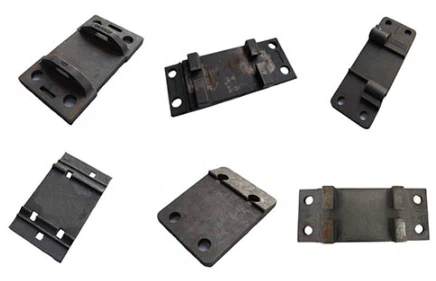
▲Types Of Rail Tie Plate▲
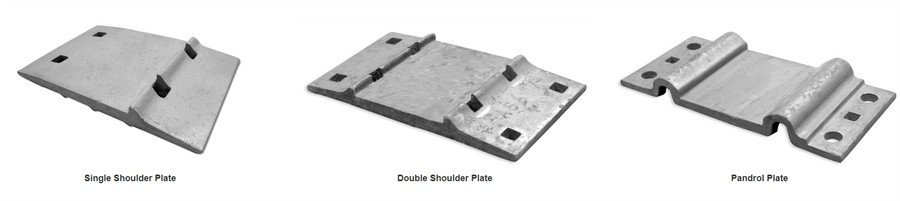
▲ Double Shoulder Tie Plate
Featuring two shoulders on each side of the rail base, this type offers increased stability and resistance against lateral movement. It's commonly used in heavy-duty and high-traffic rail lines.
▲ Single Shoulder Tie Plate
With a single shoulder on one side of the rail base, this type provides reliable fixation, often paired with elastic rail clips to secure the rail to the tie.
▲ Base Plate with Pandrol Clips
These tie plates are compatible with Pandrol clips, a popular resilient rail fastening system known for its vibration damping and noise reduction properties.
▲ Hook Twin Tie Plate
Equipped with hooks on both sides of the rail base, this type allows for easy installation and removal, ideal for temporary or portable track setups.
▲ Combination Tie Plate
Combining features of both double shoulder and single shoulder tie plates, this type offers versatility in accommodating various track configurations.
▲ Concrete Tie Plate
Specifically designed for use with concrete railroad ties, these tie plates are larger and heavier, providing enhanced load distribution and stability.
▲ Compromise Tie Plate
Used for transitioning between different rail sizes or types, this type features a combination of holes and slots to accommodate various rail configurations.
▲Rail Tie Plate Maintenance▲
▲ Regular Inspections
Conduct routine inspections of tie plates to identify any signs of wear, damage, or deterioration. Inspections should include checking for cracks, corrosion, loose fastenings, and proper alignment with the rail.
▲ Cleaning
Keep tie plates free from debris, dirt, and vegetation that may accumulate over time. Regularly clean tie plates to prevent obstruction of rail fastenings and ensure proper functionality.
▲ Tightening Fasteners
Check the tightness of bolts, screws, or spikes securing the tie plates to the railroad ties. Loose fasteners can compromise the stability of the rail and lead to track misalignment or failure.
▲ Repair or Replacement
Promptly repair or replace damaged or worn tie plates to prevent further deterioration and maintain track integrity. This may involve welding, bolting, or installing new tie plates as needed.
▲ Corrosion Protection
Apply corrosion-resistant coatings or treatments to tie plates, especially in areas prone to rust or corrosion. This helps prolong the lifespan of tie plates and ensures continued reliability.
▲ Track Alignment
Ensure proper alignment of tie plates with the rail and railroad ties. Misaligned tie plates can result in uneven loading and premature wear on rail components.
▲ Monitoring Track Conditions
Monitor track conditions regularly to detect any abnormalities or changes that may affect tie plate performance. Addressing issues promptly can prevent more significant problems and minimize downtime.

▲Rail Tie Plate application▲
▲ New Track Construction
During the construction of new railway tracks, rail tie plates are essential for securely fastening the rails to the railroad ties. They provide a stable base for rail fastenings and ensure proper alignment and spacing of the rails.
▲ Track Rehabilitation and Upgrades
In existing railway tracks, tie plates may be used during rehabilitation or upgrade projects to replace worn or damaged components. They help improve track stability, durability, and load-bearing capacity, extending the service life of the track infrastructure.
▲ High-Speed Rail Lines
In high-speed rail lines where trains travel at higher speeds and frequencies, tie plates are critical for maintaining track stability and reducing track maintenance requirements. They help minimize the risk of track deformations, rail creep, and other issues that can affect train performance and safety.
▲ Heavy-Haul Railroads
Rail tie plates are commonly used in heavy-haul railroads that transport heavy freight loads. They provide enhanced load distribution and stability, allowing the track to withstand the increased stresses and pressures exerted by heavy trains.
▲ Curved and Switch Tracks
In curved sections of railway tracks and at switch points, tie plates play a crucial role in maintaining proper track alignment and stability. They help prevent rail flange wear, track buckling, and derailments by securely anchoring the rails to the ties.
▲ Track Maintenance and Repair
During routine track maintenance and repair activities, tie plates may be inspected, repaired, or replaced as needed. Properly maintained tie plates contribute to the overall safety, reliability, and longevity of railway tracks.


▲Why choose our rail tie plates▲
▲ Quality Assurance
Our rail tie plates are manufactured to the highest quality standards using premium materials and advanced manufacturing techniques. We prioritize quality control at every stage of production to ensure that our tie plates meet or exceed industry specifications and requirements.
▲ Customization Options
We offer a wide range of rail tie plates in different sizes, types, and configurations to suit various track designs, rail profiles, and installation requirements. Our customization options allow you to select the most suitable tie plates for your specific application needs.
▲ Durability and Longevity
Our rail tie plates are designed for durability and longevity, capable of withstanding the rigors of railway operations, including heavy loads, high speeds, and harsh environmental conditions. They are built to provide reliable performance and extended service life, minimizing maintenance requirements and downtime.
▲ Technical Expertise
Our team consists of experienced professionals with expertise in railway track infrastructure. We provide technical support and guidance to assist you in selecting the right tie plates for your project and ensuring proper installation and maintenance practices.
▲ Competitive Pricing
We offer competitive pricing for our rail tie plates without compromising on quality or performance. Our cost-effective solutions help you achieve your project goals while staying within budget constraints.
▲ Timely Delivery
We understand the importance of timely delivery to keep your project on schedule. With efficient logistics and supply chain management, we ensure prompt delivery of rail tie plates to your location, minimizing delays and disruptions.
▲ Customer Satisfaction
Customer satisfaction is our top priority. We are committed to providing exceptional products and services that meet or exceed your expectations. From product selection to after-sales support, we strive to ensure your satisfaction every step of the way.
▲Our Factory▲
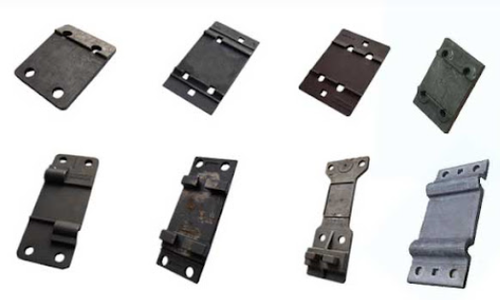
GNEE RAIL is a professional manufacturer and global supplier of rail tie plates, specializing in the production of track support components for railway and industrial rail systems. With long-term experience in railway fasteners manufacturing, GNEE RAIL is capable of producing tie plates in accordance with major international standards, including AREMA, BS, GB, UIC, and DIN, meeting the technical and quality requirements of different markets.
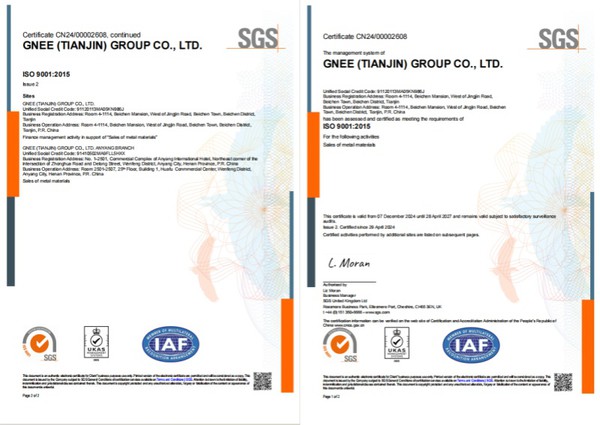
GNEE RAIL operates a complete and integrated production system, covering casting, machining, heat treatment, and surface finishing processes. Tie plates are manufactured using high-quality carbon steel or alloy steel, with strict control over dimensions, rail seat geometry, and load-bearing performance. Advanced casting and precision machining ensure stable product quality and reliable performance under heavy axle loads and long-term service conditions. All products are produced under an ISO 9001 certified quality management system, with inspections conducted throughout the entire manufacturing process.
In addition to standard rail tie plates, GNEE RAIL provides customized solutions based on customer drawings, technical specifications, or samples, supporting different rail sections, sleeper types, and fastening systems. This flexibility allows GNEE RAIL to meet the diverse requirements of railway construction, maintenance, and rehabilitation projects.
With products exported to over 150 countries and regions, GNEE RAIL not only supplies rail tie plates, but also offers a full range of railway fastening products and technical support services, delivering reliable and cost-effective solutions for global railway infrastructure projects.

▲Our Certification ▲

▲FAQ▲
Q: What is a rail tie plate?
A: A rail tie plate, also known as a base plate or sole plate, is a rectangular steel plate used to connect and secure railway rails to wooden or concrete railroad ties (sleepers).
Q: What is the purpose of a rail tie plate?
A: The primary purpose of a rail tie plate is to provide a stable base for rail fastenings, distribute the load of the rail and passing trains over a larger area of the tie, and prevent the rail from shifting or becoming dislodged.
Q: What materials are rail tie plates made of?
A: Rail tie plates are typically made of high-quality steel due to its durability, strength, and resistance to corrosion. The steel may undergo various treatments such as heat treatment and surface coating for enhanced performance.
Q: How are rail tie plates installed?
A: Rail tie plates are installed underneath the rail and fastened to the tie using bolts, screws, or spikes. Proper installation is crucial for ensuring the stability and integrity of the railway track.
Q: What types of rail tie plates are available?
A: Rail tie plates come in various types and configurations, including double shoulder tie plates, single shoulder tie plates, base plates with Pandrol clips, hook twin tie plates, concrete tie plates, and compromise tie plates, among others.
Q: How do rail tie plates contribute to railway track maintenance?
A: Rail tie plates help minimize track maintenance requirements by providing a stable platform for rail fastenings, reducing wear and tear on rail components, and extending the service life of the track infrastructure.
Q: What factors should be considered when selecting rail tie plates?
A: Factors to consider when selecting rail tie plates include track design, rail profile, tie material, traffic volume, environmental conditions, and budget constraints. It's essential to choose tie plates that meet the specific requirements of the railway application.
Q: How can I ensure the proper maintenance of rail tie plates?
A: Proper maintenance of rail tie plates involves regular inspections, cleaning, tightening of fasteners, repair or replacement of damaged components, corrosion protection, and monitoring of track conditions. Following recommended maintenance practices helps ensure the safety and reliability of railway tracks.
Gnee Steel (Tianjin) Co., Ltd. is one of the most professional rail tie plate manufacturers and suppliers in China, featured by quality products and low price. Please rest assured to buy cheap rail tie plate in stock here from our factory. Contact us for customized service.
Railroad Track Plates, Railroad Tie Plate, Railway Tie Plates