


Advancements in Railroad Infrastructure Technology
While the appearance of railroad tracks may seem unchanged over the past century, technological advancements have significantly enhanced the strength, safety, and reliability of railroad infrastructure. A typical railroad track comprises two parallel steel rails set at a fixed distance apart, known as the gauge. These rails are connected to railroad ties, which can be constructed from various materials such as wood, concrete, or composite materials. The ties are secured to the rails using spikes, bolts, or specialized clips, depending on the type of tie being used. Beneath the ties lies the ballast, typically consisting of crushed rock or gravel, which serves to provide a stable foundation for the track and distribute the load of passing trains.
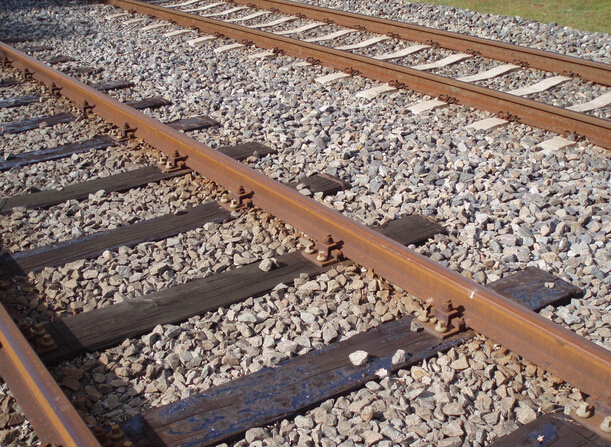
Key Components of Railroad Infrastructure:
Railroad Track: Parallel steel rails laid on top of the ties.
Rail: Steel bars placed end to end in two parallel lines.
Spike: Metal component used to attach the tie plate pad to the rail.
Tie: Wooden or concrete element positioned perpendicular to and underneath the rails.
Tie Plate: Metal plate that supports and secures the rail to the tie.
Ballast: Crushed rock or gravel layer beneath the ties, serving as the track foundation.
Advancements in steel manufacturing have resulted in higher-quality steel being used for railroad tracks, significantly extending their lifespan to an average of 50-60 years. The longevity of the rail depends on factors such as the volume of freight transported annually and other environmental conditions. Railroad companies employ specialized equipment, including track geometry cars and rail defect detector cars, along with visual inspections, to monitor track conditions. These technologies utilize laser sensors to detect wear and tear on the track, identifying potential defects and enabling timely and cost-effective maintenance scheduling to ensure safe and efficient rail operations.