


How Fishplate Joints Two Rails in Railway Tracks
A fishplate, also known as a rail joint bar, is utilized to join two rails in a railway track. But how exactly does a fishplate achieve this?
First and foremost, every fishplate joint must be equipped with the appropriate number of bolts, each accompanied by a nut and washer (or other approved fastening system), and they must be correctly tightened. However, there are exceptions to this rule, such as:
In situations where rail ends have been sawn or disc cut in preparation for site Alumino-thermic Welding, the maximum permissible speeds will be 50mph for:
Joints fitted with a Temporary Rail Clamping System
Joints Back Hole Fished
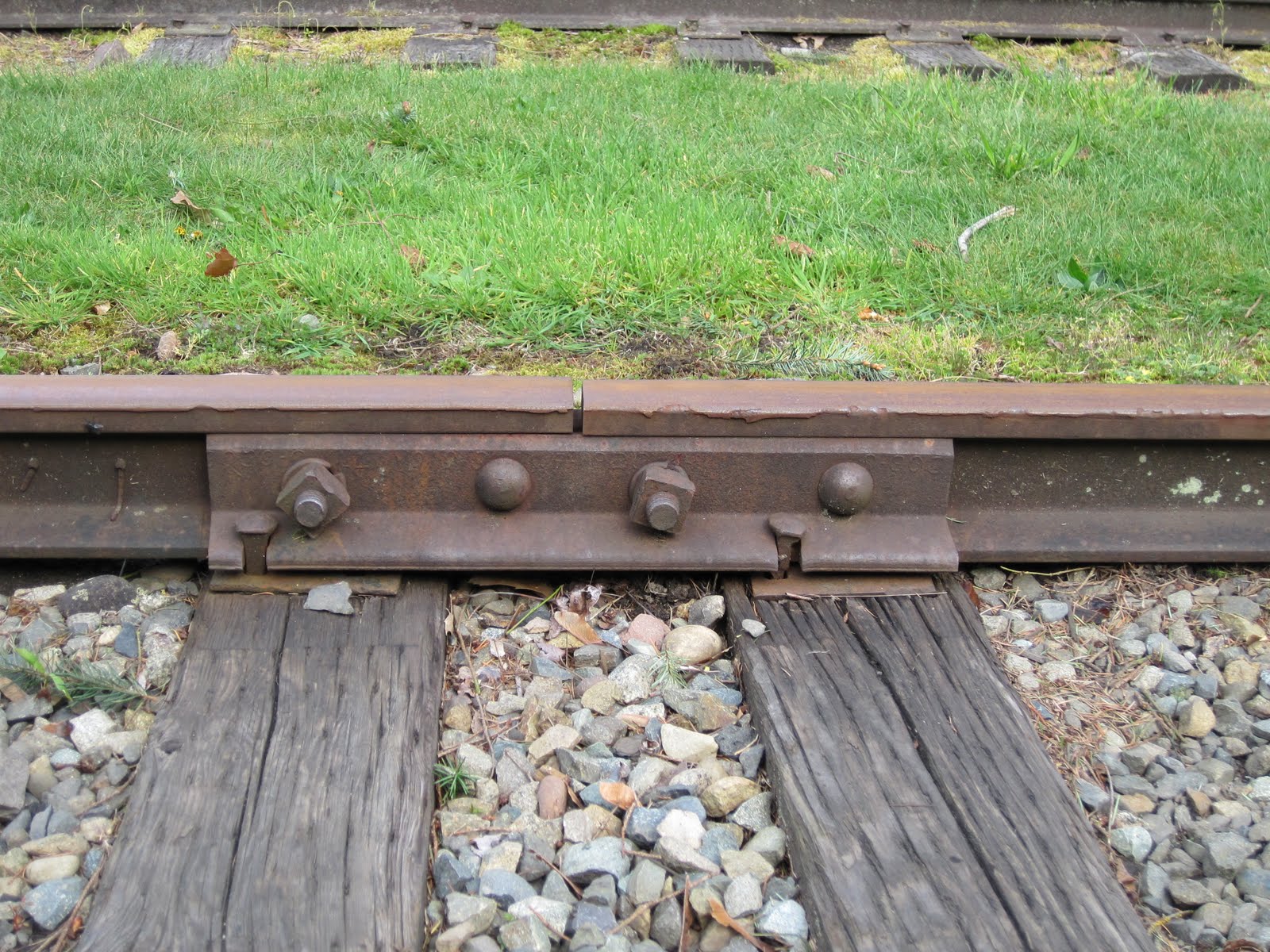
Secondly, when joining two rails together using a fishplated joint, several factors must be taken into consideration:
The condition of the rail ends. If any defects are evident, the rail ends must be cut back and rechecked for defects, or a replacement rail must be obtained.
The compatibility of the two rail sections, including sidewear.
The required expansion gap or any other necessary gap.
The characteristics (e.g., materials, spacing) of the sleepers immediately adjacent to the joint must be uniform.
The alignment and level of the rail ends.
Upon completion of the fishplated joint, the following checks must be performed:
The running surfaces of the two rail ends should be nearly coplanar.
The rail ends should be laterally aligned.
These measures ensure the proper functioning and integrity of the joint, maintaining safety and efficiency within the railway track system.