


The Impact of Insufficient Clamping Pressure on Track Lateral Stability
Q1: Why does insufficient clamping force directly reduce lateral stability?
A1: Insufficient clamping force weakens the restraint between the rail and fasteners. Lateral forces during train passage can easily push the rail outward, causing gauge widening and poor line alignment.
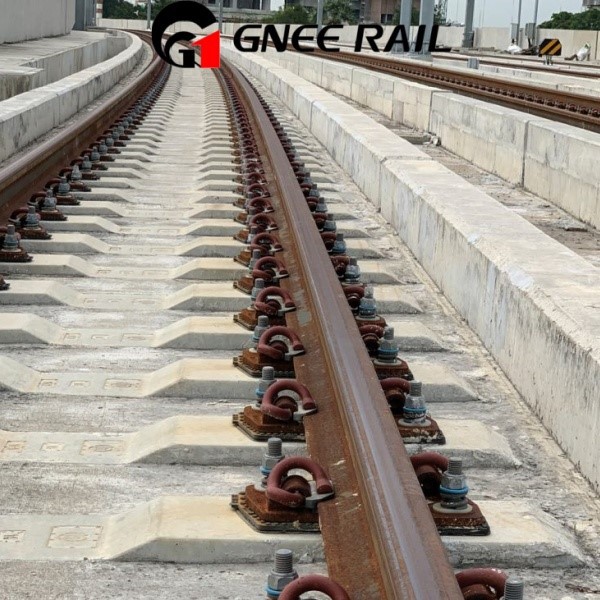
Q2: At what point does reduced clamping force significantly affect operation?
A2: When actual clamping force falls below 70% of the design value, rail lateral displacement increases noticeably, especially in curves, quickly leading to side wear and gauge irregularities.
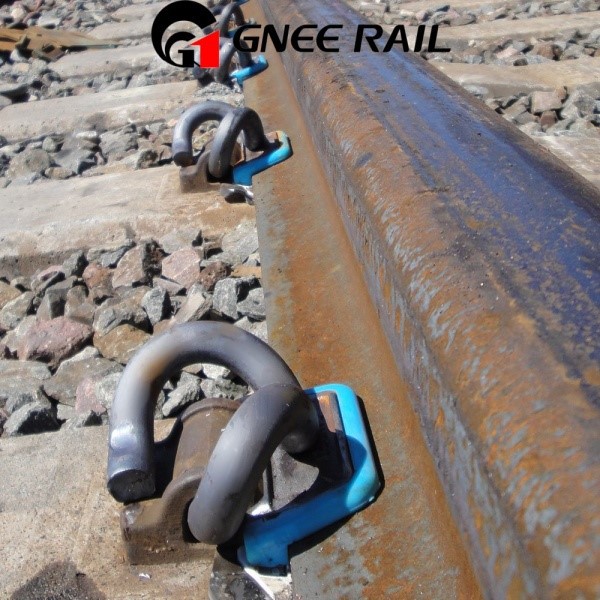
Q3: Will insufficient clamping force aggravate rail corrugation?
A3: Yes. Poor restraint allows high-frequency rail vibration and swaying, accelerating corrugation formation, which in turn increases impact and creates a vicious cycle.
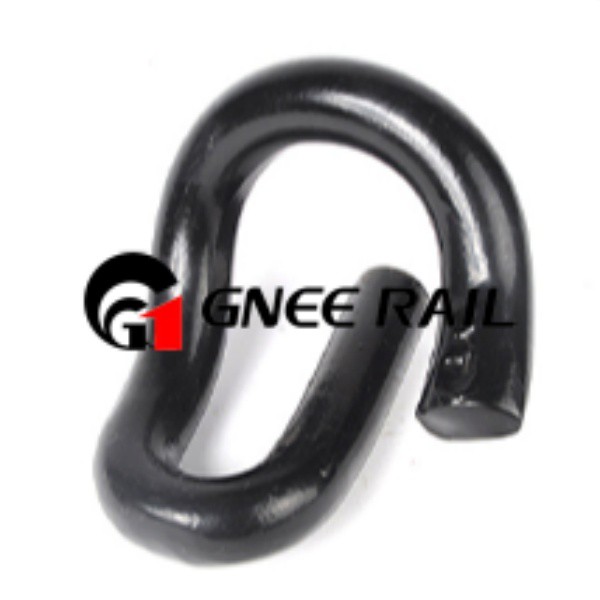
Q4: Why can retightening torque quickly restore lateral stability?
A4: Retightening re-establishes sufficient clamping force to press clips against the rail, restoring lateral restraint and limiting rail movement, rapidly improving gauge retention.
Q5: What are the consequences of long-term insufficient clamping force on the fastener system?
A5: It causes clip fatigue deformation, abnormal gauge block wear, bolt loosening, and pad crushing, eventually leading to sectional fastener failure and sharply higher maintenance costs.