


The Impact of the Gap Between the Elastic Rail and the Gauge Block on Track Geometric Accuracy
Q1: Why does excessive fitting clearance destroy gauge accuracy?
A1: Large clearance allows residual rail movement. Lateral train forces cause repeated rail shifting, leading to unstable gauge and poor alignment.
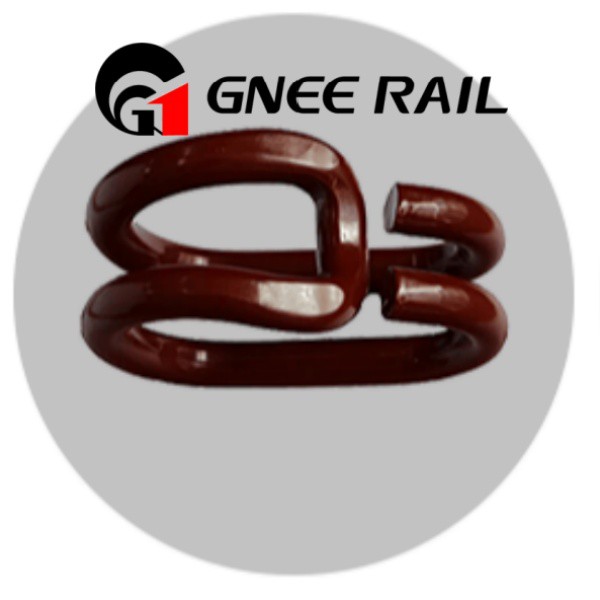
Q2: What problems result from too small or zero clearance?
A2: It causes installation jamming, eccentric clip loading, and restricts minor thermal movement, creating additional internal stress and accelerating clip fatigue.
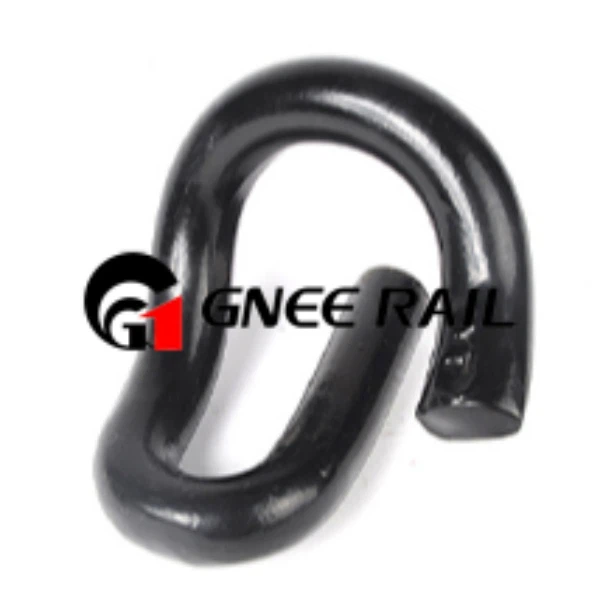
Q3: Why are requirements for fitting clearance higher in curved sections?
A3: Curves have strong lateral forces. Excessive clearance worsens rail shift and side wear; improper clearance causes severe clip eccentricity and higher fracture risk.
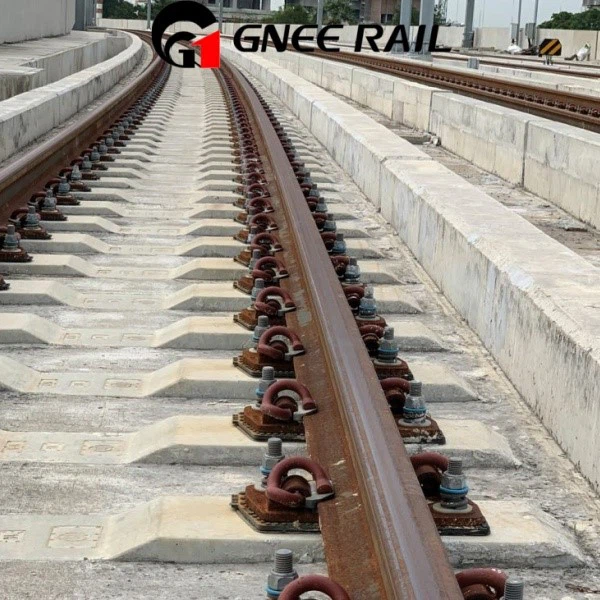
Q4: How to handle increased clearance due to wear?
A4: Replace worn gauge blocks and deformed clips to restore standard clearance and ensure stable gauge.
Q5: How to quickly check qualified fitting clearance on site?
A5: Observe uniform contact between clip and gauge block without obvious looseness or deformation; use feeler gauges to verify clearance within design range.