


Classification and function of railway signal system
- What are the main classifications of the railway signaling system?
The railway signaling system is mainly divided into fixed signals, mobile signals, and hand signals. Fixed signals are signaling devices set at fixed locations, such as approach signals, departure signals, through signals, etc., used to protect stations, sections, etc. Mobile signals are movable signaling devices, such as mobile speed - reduction signal boards, used for protection during temporary construction or line failures. Hand signals are signals sent by gestures, semaphore, etc., used in specific situations (such as shunting operations, abnormal train operations).
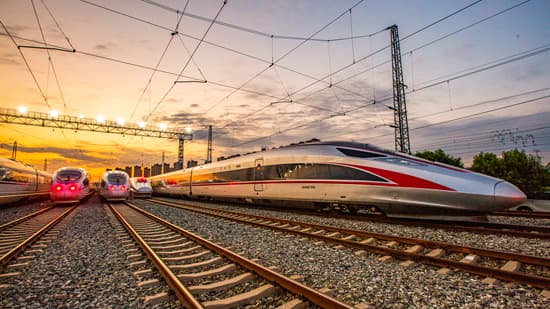
- What is the meaning of the display of railway signal lights?
When the approach signal light shows a green light, it means that the train is allowed to enter the station at the specified speed; a yellow light means that the train needs to slow down to enter the station; a red light prohibits the train from entering the station. When the departure signal light shows a green light, it means that the train is allowed to depart from the station; a yellow light means that the train needs to run at a limited speed. When the through signal light shows a green light, it means that the train can run at the specified speed; a yellow light means that the train needs to slow down; a red light means that the train must stop in front of this signal light. Different signal display combinations convey different driving instructions to ensure the safe and orderly operation of trains.
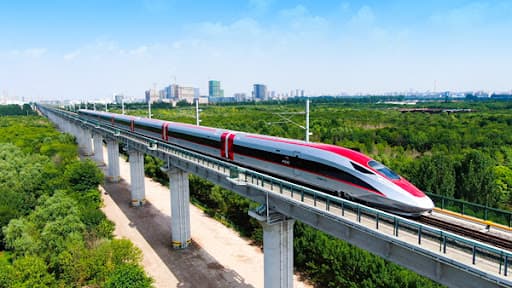
- What is the role of the railway signal interlocking system?
The railway signal interlocking system ensures the safe operation of trains by controlling the interlocking relationship between turnouts, signal lights, and routes. When a route is established, the interlocking system automatically checks conditions such as the route being clear and the correct position of the turnout. When the conditions are met, the signal is opened; if not, the signal cannot be opened. During the train operation process, it real - time monitors the route status. Once abnormal situations such as turnout displacement and track circuit failure occur, it immediately closes the signal to prevent the train from entering a dangerous area and avoid accidents such as train collisions and derailments.
- What are the advantages of the computer - based interlocking system compared with the traditional relay interlocking system?
The computer - based interlocking system uses computer technology and software control, with fast operation speed and high accuracy. It can implement complex interlocking logic and meet the needs of modern railway transportation. The system is small in size, low in power consumption, and easy to maintain. Its functions can be expanded through software upgrades. It has a fault diagnosis function, which can quickly locate the fault point and reduce the fault handling time. It can also achieve information sharing and interconnection with other railway systems (such as the dispatching and command system, train operation control system), enhancing the intelligence and automation level of railway transportation.
- What is the development trend of the railway signaling system?
In the future, the railway signaling system will develop towards intelligence, digitalization, and integration. Artificial intelligence technology will be introduced to achieve intelligent monitoring, fault prediction, and automatic diagnosis of signaling equipment. Big data analysis will be used to optimize signal control strategies and improve transportation efficiency. Promote the digital transformation of the signaling system, using digital signal transmission and processing technologies to improve the reliability and anti - interference ability of signal transmission. Strengthen the integration of the signaling system with communication, train operation control, and other systems, and build an integrated railway transportation control system to achieve more efficient and safe transportation organization.