


Controlling Temperature Effects in Seamless Rails
Seamless rail is not a continuous stretch of thousands of kilometers without gaps; rather, it consists of ordinary rails welded together in lengths of 25 meters or more, forming hundreds or even thousands of meters of continuous track laid on the subgrade. To address the thermal expansion and contraction inherent in seamless rails, two main approaches are employed.
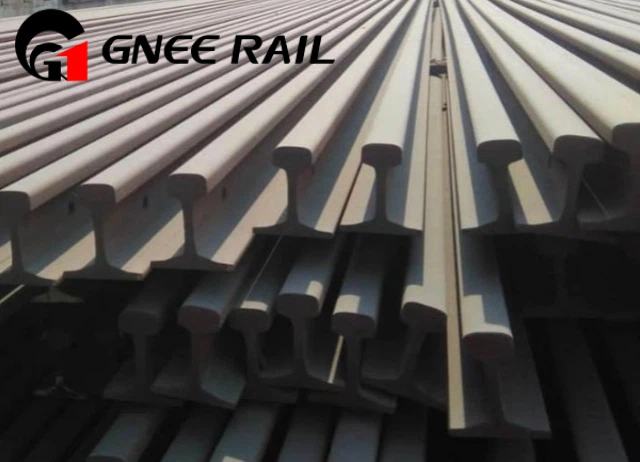
The first method involves the use of concrete sleepers to support the rails, with a robust fastening system securing them in place. Before installation, the rails undergo pre-treatment to accommodate expansion, ensuring they are elongated to compensate for anticipated temperature changes. Once laid, the rails are locked onto the sleepers using rail fasteners, effectively transferring any temperature-induced stress to the rail itself. This approach is well-suited for regions with relatively stable temperatures year-round, such as certain areas in southern China.
In contrast, areas experiencing significant temperature variations require a different strategy. Prior to rail installation, engineers analyze local meteorological data to calculate the expected temperature differentials and corresponding stress levels. When dealing with seamless rails, this data informs the precise stretching of the rail during installation, deliberately inducing a predetermined level of stress within the rail structure. As temperature fluctuations occur, the rail expands and contracts within a controlled range, with the pre-existing stress serving to offset any additional strain, ensuring the rail's integrity and stability over time.