


1. What is a rail joint?
A rail joint is a component used to connect two sections of railway tracks. It ensures continuity and smooth movement of trains across the tracks. Rail joints can be bolted or welded, depending on the application. Properly installed rail joints reduce vibrations and noise. They are critical for maintaining track alignment and safety.
2. What are the types of rail joints?
There are several types of rail joints, including bolted joints, welded joints, and insulated joints. Bolted joints use fishplates and bolts to connect rails. Welded joints provide a seamless connection, reducing maintenance needs. Insulated joints are used in signaling sections to prevent electrical current flow. Each type serves specific purposes in railway infrastructure.
3. Why are rail joints important in railway systems?
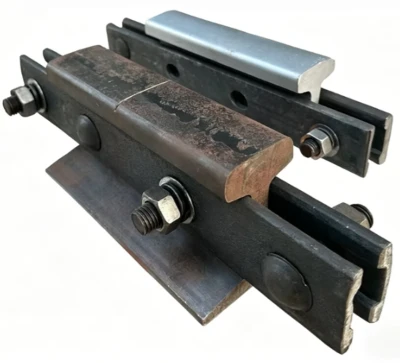
Rail joints ensure the continuity and stability of railway tracks. They absorb stresses caused by train movements and temperature changes. Properly maintained joints enhance passenger comfort by reducing bumps. They also prevent rail misalignment and accidents. Without rail joints, tracks would be prone to separation and wear.
4. What materials are used to make rail joints?
Rail joints are typically made from high-carbon steel or alloy steel for durability. Fishplates are often made from forged steel to withstand heavy loads. Insulated joints may include composite materials to block electrical conductivity. Corrosion-resistant coatings are applied to prolong lifespan. The material choice depends on the joint's application and environmental conditions.
5. How do bolted rail joints work?

Bolted rail joints use fishplates and bolts to connect two rail ends. The fishplates are placed on either side of the rail ends and secured with bolts. This design allows for some flexibility and easy maintenance. Bolted joints are common in temporary or less critical tracks. However, they require regular inspection to prevent loosening.
GNEE RAILWAY RAILWAY provides reliable rail joints, fish plates, joint bars, and related railway fastening products for railway construction, maintenance, and track renewal projects. With products available to AREMA, UIC, DIN, BS, and other international standards, we can also provide customized solutions based on your rail profile, dimensions, material, and technical requirements.