


In railway systems, a rail pad-often simply called a pad-is a key elastic component placed between the steel rail and the concrete or wooden sleeper (tie). Its primary role is to absorb vibrations and distribute loads from the passing train, thereby protecting both the rail and the underlying track structure.
Rail pads are typically part of the broader rail fastening system, working together with fasteners, clips, and insulators to ensure the rail remains securely fixed while allowing some controlled movement and flexibility. Without a proper pad, the direct contact between steel and concrete would lead to severe wear, increased noise, and faster degradation of components.
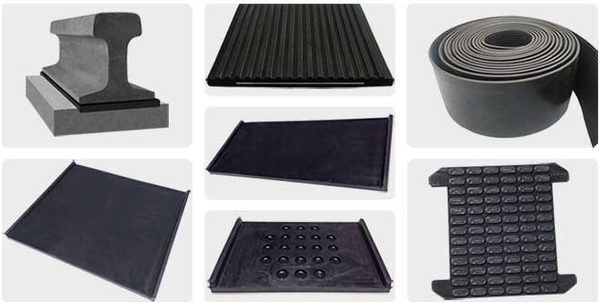
Functions of a rail pad include:
- Shock and vibration absorption – Pads cushion vertical loads and reduce the transmission of dynamic forces to the sleepers.
- Load distribution – They help spread the contact pressure over a wider area, reducing sleeper damage.
- Noise reduction – By damping high-frequency vibrations, pads contribute to quieter train operations.
- Electrical insulation – In some systems, pads assist in isolating the rail electrically, important for signaling and track circuits.
Materials used vary based on line type and performance needs. For heavy-haul or high-speed lines, high-durability synthetic rubbers (like EVA or EPDM) or thermoplastic elastomers are common. These materials combine flexibility, weather resistance, and long service life. In lighter rail or urban systems, polyurethane or recycled rubber compounds are often used for cost-effectiveness.
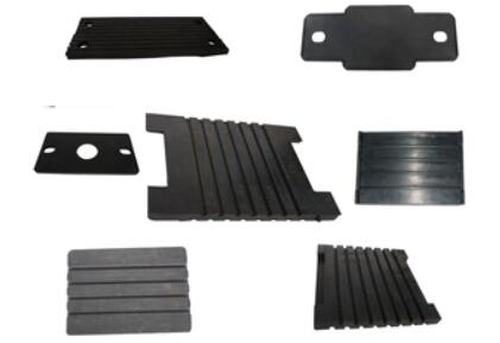
Design factors include pad thickness, hardness (Shore A rating), and geometry. Thicker or softer pads offer better vibration damping but may reduce stability under heavy loads. Therefore, railway engineers carefully select pad specifications based on train speed, axle load, and climate conditions.
With the growth of high-speed and urban rail systems, rail pad technology continues to evolve. Innovations include smart pads embedded with sensors to monitor track conditions, as well as eco-friendly materials that reduce environmental impact.
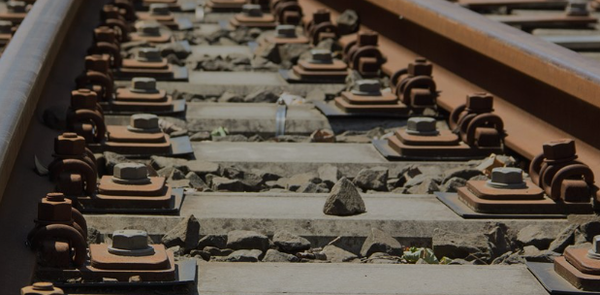
In summary, while small and often overlooked, the rail pad plays a critical role in railway safety, ride comfort, and infrastructure durability. Its proper design and maintenance are essential to efficient and reliable train operations.
GNEE RAIL is deeply involved in the field of railway fastener manufacturing, specializing in the production of various types of rail fastener systems and supporting components. The factory has a modern production line and a strict quality control system, and its products have passed a number of international certifications. With mature process technology and rich project experience, we can provide customers with fastener products that meet the standards of various countries and provide comprehensive technical support services. Our products are widely used in domestic and foreign railway construction projects, and have won the trust of customers with stable quality. We are committed to providing safe and reliable connection solutions for global railway projects through continuous improvement and innovation.