


Types of Rail Spike Corrosion
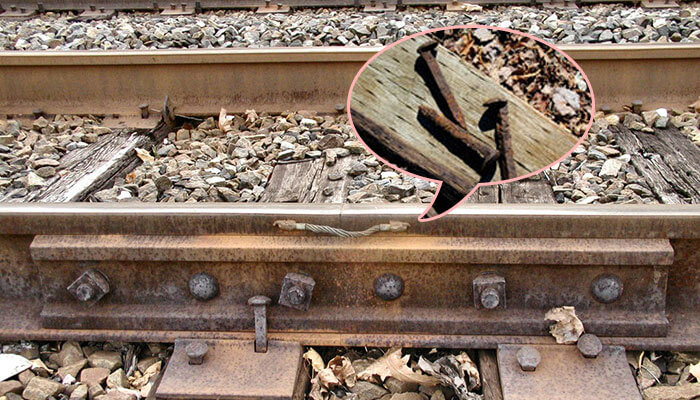
Rail spikes are susceptible to various forms of corrosion, including chemical corrosion and electrochemical corrosion.
Chemical corrosion primarily occurs through gas corrosion, which involves a chemical reaction with oxygen in the air. In dry conditions, the surface of the spike may only have a thin water film, creating a continuous electrolyte membrane. This leads to a low corrosion rate primarily driven by chemical oxidation.
Electrochemical corrosion, on the other hand, occurs when the spike comes into contact with moisture, especially near the spike's base where it connects to the concrete sleeper. In this area, a water film forms on the spike's surface, providing the necessary conditions for electrochemical corrosion to take place. This type of corrosion is driven by the presence of water and the action of electrolytes, such as the wastewater generated by passing trains.
To prevent corrosion of rail spikes, it's essential to understand the underlying causes and take effective measures to mitigate them. By implementing corrosion prevention strategies, such as using corrosion-resistant materials or applying protective coatings, the corrosion of rail spikes can be controlled. This not only saves on material costs but also extends the service life of the spikes, helps maintain track stability, and ensures overall traffic safety.