


Railway Sleeper Screw Technical Requirements
Railway sleeper screws, also known as screw spikes, must meet stringent technical requirements to ensure their reliability and performance in railway track systems. Here are the key technical requirements for railway sleeper screws:
Material: Railway screw spikes are typically made from high-quality steel, such as Q235-A steel. The material must comply with relevant international standards, such as ISO898-1, UIC864-1, AS1085.18, NF F500-15, etc.
Surface Treatment: The surface of screw spikes can undergo various treatments based on customer requirements. Common surface treatments include plain oiled, blasted oiled, oxide black, zinc plated, hot-dip galvanized (HDG), dacromet, sherardizing, etc.
Surface Quality: The surface of the screw spike should be free from forging cracks, especially on the frustum of the cone. Cracks are not allowed to extend to the shaft of the screw.
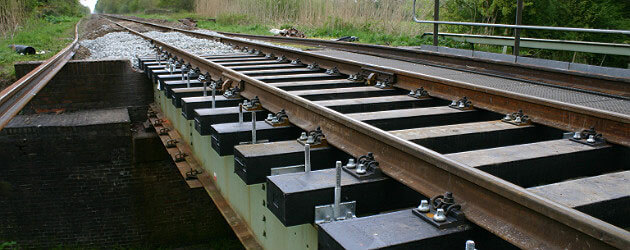
Thread Quality: The upper threads of the screw spike must be free from interference with thread gauge, burrs, collisions, double cusps, scratches, or incomplete threads. The threads should be tidy and complete.
Bottom Thread: The bottom threads of the screw spike should be tooth-shaped and tidy, with no splitting or damage.
Surface Condition: The surface of the screw spike should be free from indentation, burrs, flashes, burns, scale, or any other defects that may affect its performance.
Physical Tension Test: Screw spikes should undergo a physical tension test to ensure their strength and integrity. During the test, the screw spike should withstand a load of 130 kN without being pulled apart or causing drag marks.