


The Influence of Rail Joint Bolt Tightening Sequence on Stress Uniformity
Q1: Why cannot joint bolts be tightened one by one in sequence?
A1: Sequential tightening one by one will cause excessive preload on the first tightened bolts, and the later tightened bolts will be "overhead" due to steel plate deformation, with seriously insufficient preload. Resulting in uneven joint stress, middle warping, and aggravated rail gap opening and closing.
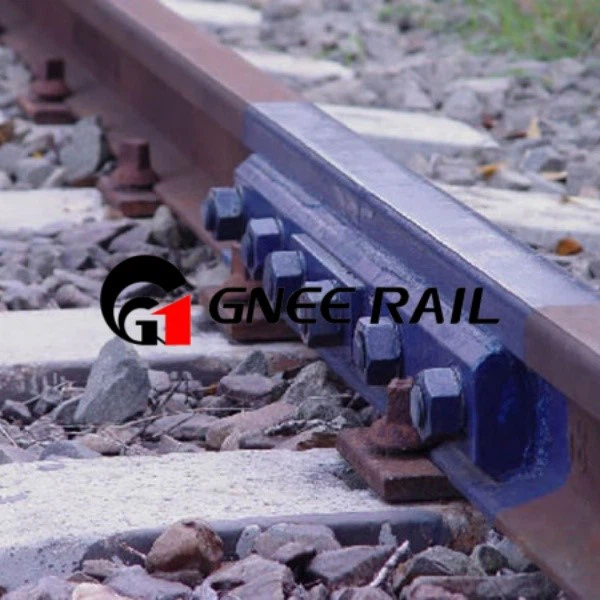
Q2: What principle does the standard tightening sequence usually follow?
A2: Follow the principle of "diagonal cross, step-by-step tightening", alternately tighten symmetrically from the middle to both ends, and gradually reach the design torque several times to make the fishplate fit evenly and the preload of each bolt basically consistent.
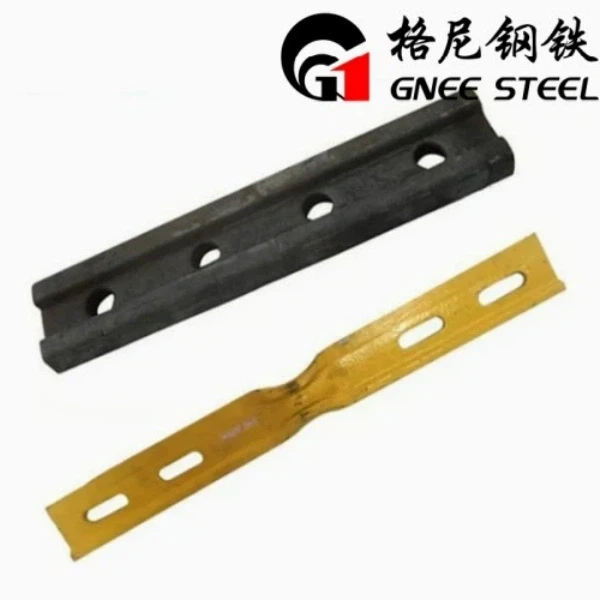
Q3: What impact does improper tightening sequence have on bolt fatigue life?
A3: Bolts under high stress are overloaded for a long time, and fatigue cracks are rapidly generated; bolts under low stress are prone to loosening and vibration wear. The life difference of bolts in the same group is huge, and some bolts often break early.
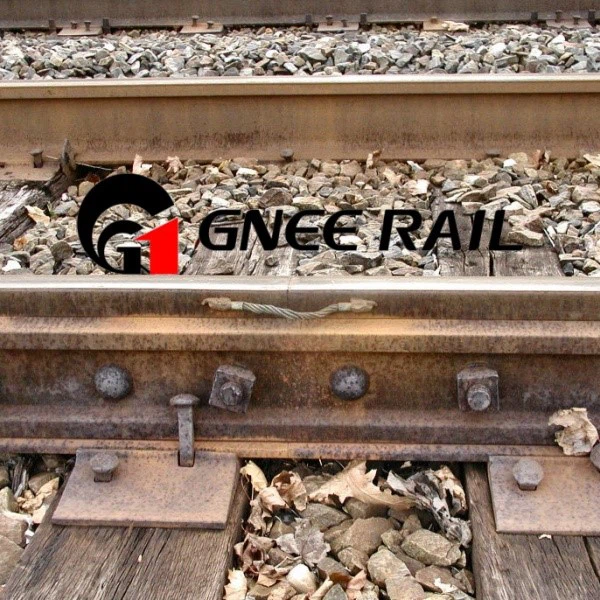
Q4: Why should the same tightening sequence be followed during retightening?
A4: After a period of operation, the joint fitting state changes. Random retightening will destroy the stress balance again. Retightening in diagonal order can redistribute the preload evenly and restore the overall rigidity of the joint.
Q5: What effect does the tightening sequence have on the vertical smoothness of rail joints?
A5: A reasonable sequence can avoid local arching or depression of the fishplate and ensure the smoothness of the joint rail surface. Wrong sequence is easy to form joint hard points or collapse, increase wheel impact, and rapidly develop vertical irregularity.