


QU70 rails are based on high-quality high-carbon steel, and their carbon content is strictly controlled between 0.65% and 0.75%. Carbon is a key element that affects the strength and hardness of steel. Within this content range, it can give the rails higher strength and hardness, providing basic protection for bearing the load of heavy lifting equipment. At the same time, high-carbon steel also has good wear resistance, which helps to extend the service life of the rails and reduce wear caused by frequent friction.
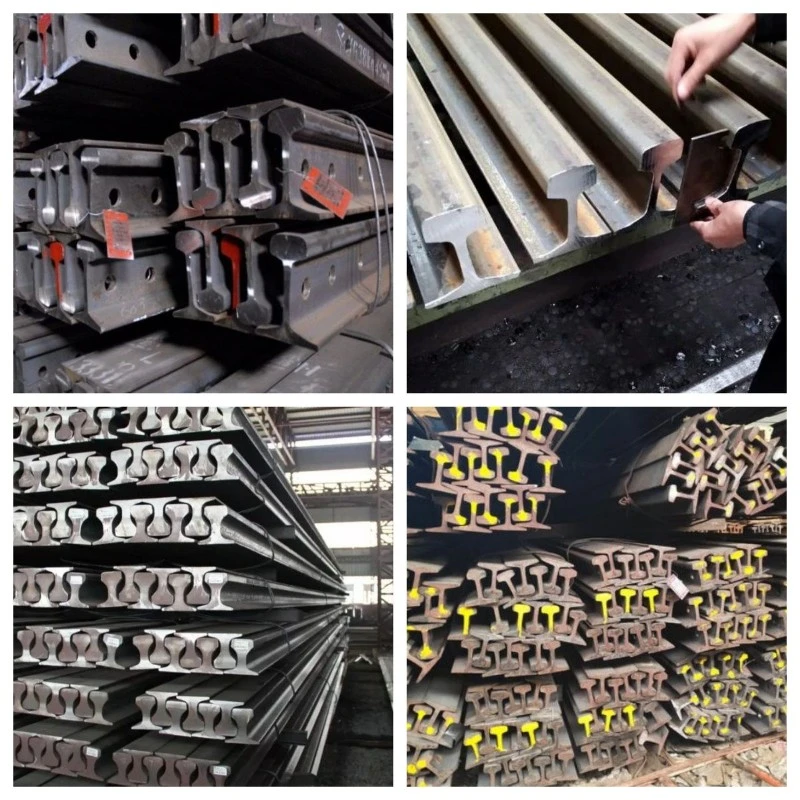
Addition of alloy elements: In order to further improve the overall performance, alloy elements such as Mn, Si, and V are added to the rails.
Manganese (Mn): Manganese can enhance the strength and toughness of steel and improve the hardenability of steel. In QU70 rails, the addition of manganese helps to refine the grains and make the steel structure more uniform, thereby improving the overall performance of the rails. At the same time, manganese can also improve the fatigue resistance of steel and enhance the resistance of rails under long-term cyclic loads.
Silicon (Si): Silicon is an effective deoxidizer that can increase the strength and hardness of steel. In QU70 rails, the presence of silicon can increase the elastic limit and yield strength of the steel, so that the rails can better withstand the wheel pressure and impact loads of the crane. In addition, silicon can enhance the corrosion resistance of the steel and increase the service life of the rails under different environmental conditions.
Vanadium (V): Vanadium is a strong carbide-forming element that can form fine carbide particles in the steel, playing a role of dispersion strengthening. This can not only increase the strength and hardness of the steel, but also improve the toughness and fatigue resistance of the steel. In QU70 rails, the addition of vanadium helps to maintain good toughness while increasing the hardness of the rails, so that they can better cope with complex working conditions.
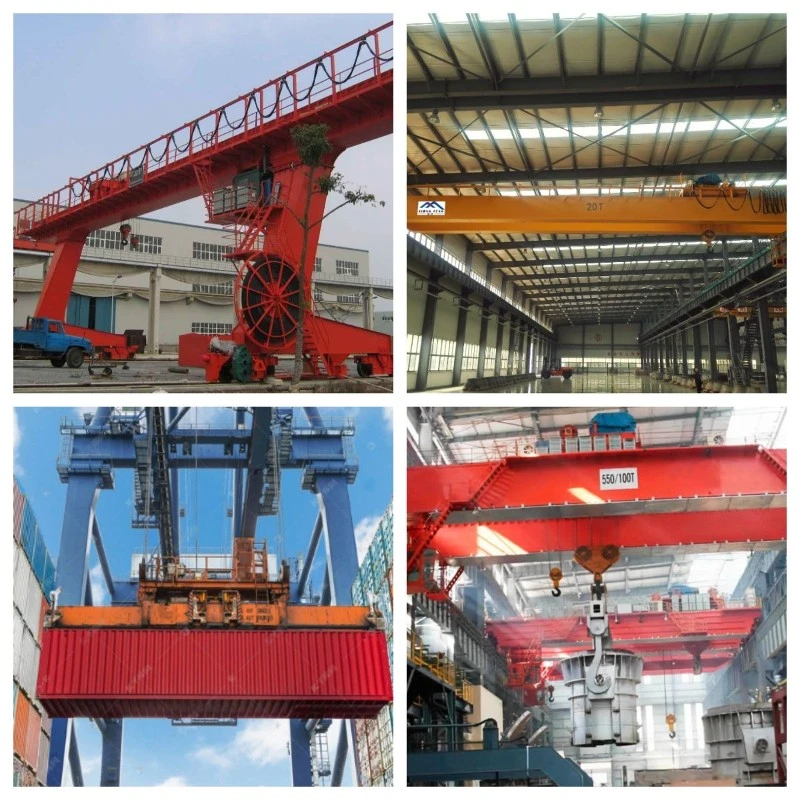
Heat treatment is a key link in optimizing the mechanical properties of QU70 rails. After a carefully designed heat treatment process, the surface hardness of the rail head reaches HB320-380, and the elongation remains above 10%, forming an ideal combination of "high hardness + good toughness". The high-hardness rail head surface can effectively resist the wear of crane wheels, reduce the wear and deformation of the rail surface, and improve the wear resistance and service life of the rail. The good toughness enables the rail to withstand impact loads. When the crane lifts heavy objects or an accidental collision occurs, it can absorb energy and avoid brittle fracture of the rail, ensuring the safety and reliability of crane operation. This optimized combination of mechanical properties enables QU70 rails to resist wear and impact loads in complex working environments and meet the high-intensity use requirements of heavy lifting equipment.
Through the precise control of chemical composition and the application of advanced production processes, QU70 rails have reached a high level in mechanical properties, providing a stable and reliable operating track for heavy lifting equipment, and effectively ensuring the efficient operation of industrial production.