


Location and Propagation Pattern of Fatigue Cracks in Spring Rails
Q1: Where are clips most prone to fatigue cracks?
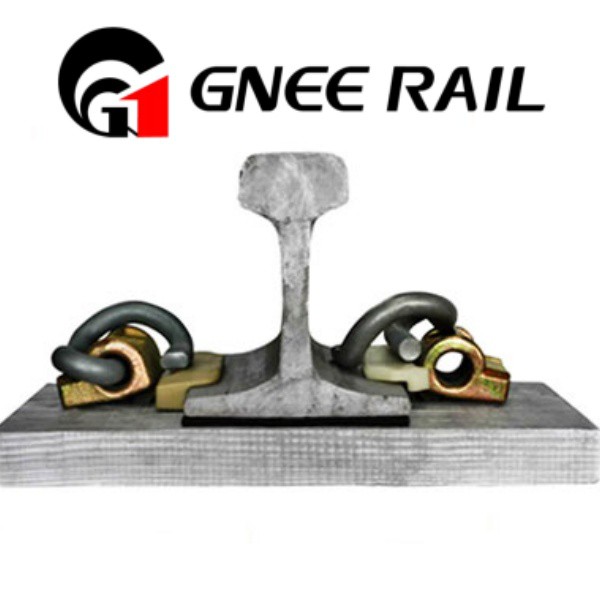
A1: Mainly concentrated in the arc transition zone, clip arm root and arc part in contact with the rail base. These positions have large section changes and complex stress, which are the areas with the most serious stress concentration, and cracks almost initiate from these parts.
Q2: Why are early fatigue cracks difficult to detect with the naked eye?
A2: Initial cracks are extremely thin and shallow, usually only tens of microns, with surfaces covered by oxide layers and colors similar to the substrate. They can only be observed under strong light or magnification, and are easy to be missed in routine inspections, posing great potential safety hazards.

Q3: How does train vibration accelerate fatigue crack propagation?
A3: Vibration generates alternating stress, which keeps the crack tip opening and closing continuously, pushing the crack to propagate forward. The faster the speed and the larger the load, the faster the propagation speed. When the crack reaches the critical length, instantaneous brittle fracture will occur.
Q4: What is the difference in clip crack morphology between curved and straight sections?
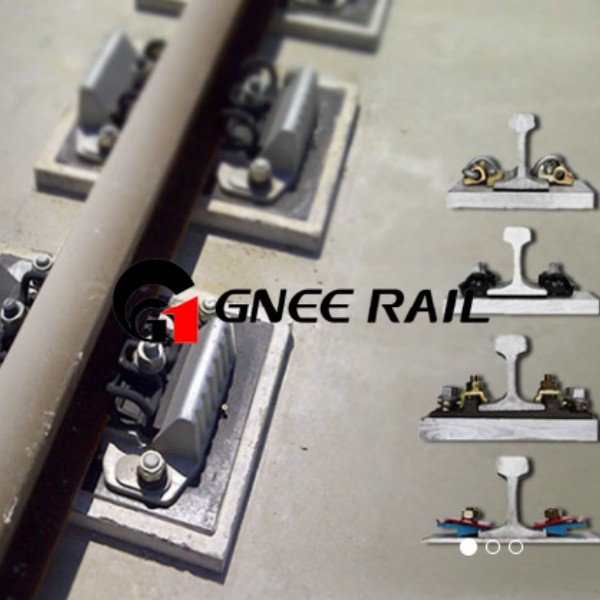
A4: Cracks in straight sections are mostly simple vertical bending fatigue cracks; due to additional lateral forces, cracks in curved sections are mostly oblique and composite, propagating faster and more prone to sudden fracture, with greater harmfulness.
Q5: How to effectively identify early fatigue cracks through inspection?
A5: Focus on key parts such as the arc transition zone and use strong light illumination. Observe whether there are tiny hair-like cracks, local discoloration or concentrated corrosion areas. Regularly conduct flaw detection on clips in sections that have reached service life or under severe stress.