


Hydrogen embrittlement sensitivity of bullet clip materials and service risks in rail transit
Q1: In which links are clips easy to introduce hydrogen and cause hydrogen embrittlement?
A1: Electroplating (galvanizing, Dacromet pretreatment), pickling, welding, cathodic protection and other processes are easy to absorb hydrogen. High-strength spring steel is particularly sensitive to hydrogen, and trace hydrogen can cause brittle fracture.
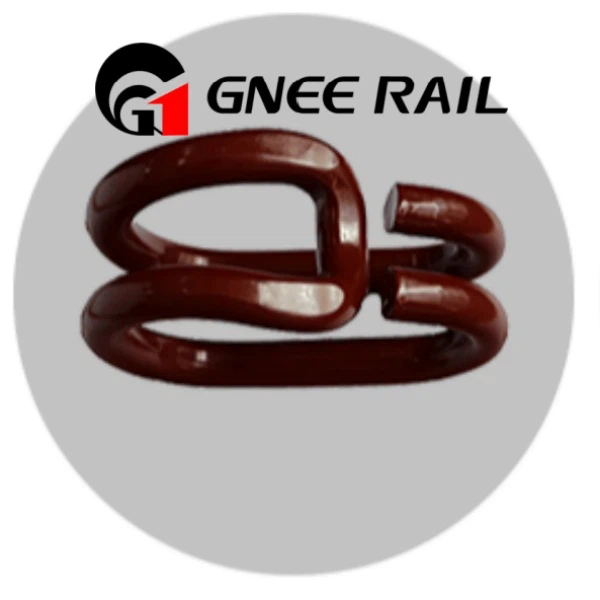
Q2: What are the typical characteristics of hydrogen embrittlement fracture?
A2: There is no obvious plastic deformation in the fracture, the fracture is flat, and it mostly occurs in high-stress areas; it often occurs suddenly in a short time after installation without obvious fatigue precursor, which is extremely harmful.

Q3: Why do high-strength clips have higher hydrogen embrittlement risk?
A3: The higher the strength, the more sensitive the material is to hydrogen. The synergistic effect of residual stress and hydrogen greatly reduces the critical brittle fracture stress, and slight hydrogen content can induce fracture.
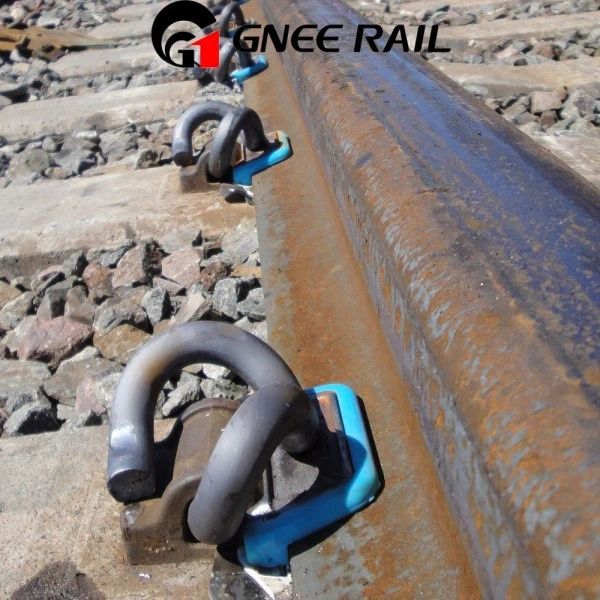
Q4: How to distinguish hydrogen embrittlement fracture from fatigue fracture in operation?
A4: Hydrogen embrittlement is mostly one-time sudden brittle fracture, no fatigue striation on the fracture; fatigue fracture has obvious crack propagation area, visible fatigue stripes on the fracture, mostly formed by long-term development.
Q5: How to reduce clip hydrogen embrittlement risk through process control?
A5: Optimize surface treatment process to reduce hydrogen absorption; add low-temperature dehydrogenation baking; select materials with low hydrogen embrittlement risk; strictly control heat treatment and electroplating quality.