


Fastener Torque and Track Stability in Fastening Systems
- How are the torque standards for different types of fasteners determined?
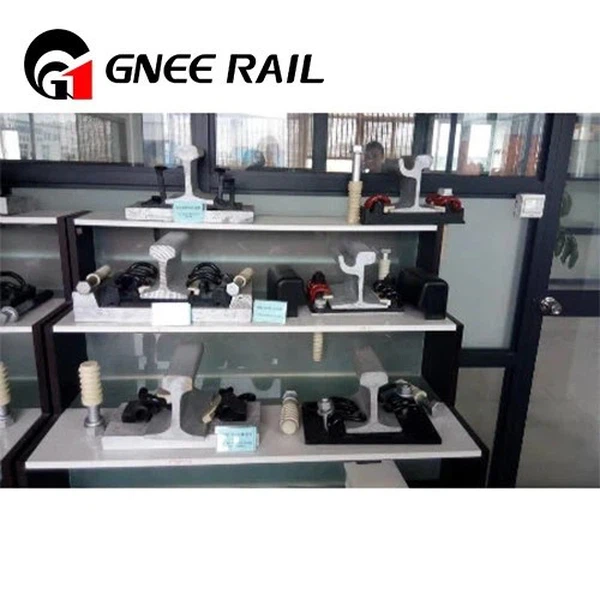
The torque standards for elastic clip fasteners are determined according to the material and specifications of the elastic clips and the design requirements of the track structure. For example, for ordinary elastic clip type I fasteners, in order to ensure sufficient clamping force and avoid damage to the elastic clips, the torque is generally set at 80 - 150N·m; for elastic clip type II fasteners, due to the higher strength of the elastic clips, the torque range is 120 - 200N·m. For the fasteners used in ballastless tracks, considering the stability and durability requirements of the track structure, the torque standards may be higher, such as the torque of WJ - 7 type fasteners is 160 - 250N·m. These standards are obtained through a large number of mechanical tests and actual line operation experience.
- What specific impacts does fastener torque have on track stability?
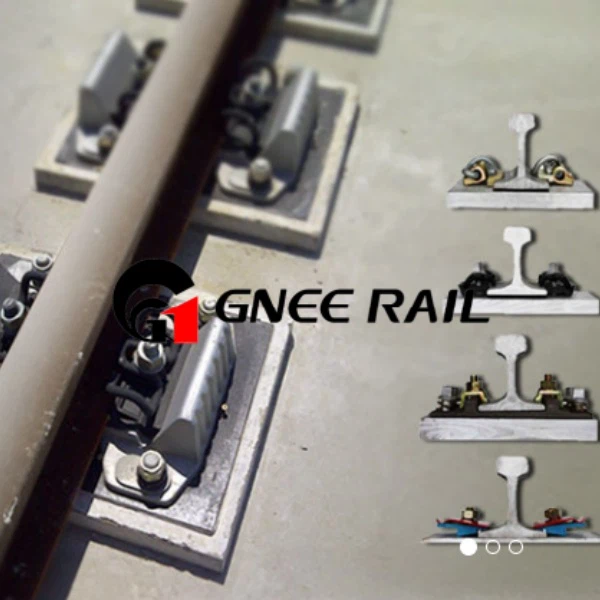
When the fastener torque is insufficient, the clamping force decreases, and the rail is prone to lateral displacement and the gauge widens, resulting in a jolting phenomenon when the train passes. Long - term action will also loosen the fasteners, affecting the integrity of the track structure. If the torque is too large, the fasteners may be damaged, such as elastic clip breakage and bolt thread slipping, which also reduces the clamping force. Moreover, excessive
torque will cause the sleeper to bear excessive stress, leading to cracks in the sleeper and endangering track safety.
- How to accurately measure the fastener torque?
Use a torque wrench for measurement, and the accuracy of the torque wrench should reach ±5%. When measuring, accurately sleeve the socket of the torque wrench on the bolt head, slowly apply force in the tightening direction, and read the torque value displayed on the wrench dial. To ensure measurement accuracy, after the installation of each batch of fasteners, spot checks are carried out at a ratio of not less than 5%. For key parts (such as turnout areas, curve sections, etc.), the sampling ratio is increased to 10% - 20%.

- In track maintenance, how to ensure that the fastener torque meets the standards?
Regularly inspect the track fastener torque, generally once a quarter, and once a month for special sections (such as heavy-haul railways, high-speed railways, etc.). If fasteners with insufficient or excessive torque are found, adjust them in time. For those with insufficient torque, use a torque wrench to tighten them according to the standard torque; for fasteners damaged due to excessive torque, replace them with new ones and then tighten them according to the standard torque. At the same time, in daily maintenance, strengthen the cleaning and lubrication of fasteners to reduce the frictional resistance between bolts and nuts and ensure accurate torque transmission.
- When the fastener torque is abnormal, how to analyze the causes and solve them?
If the fastener torque is generally low, it may be that the fasteners were not tightened according to the standard during construction, or the fasteners became loose due to long-term train vibration. All fasteners need to be retightened, and anti-loosening measures should be added, such as using spring washers and applying thread locking glue. If the torque of some fasteners is abnormal, it may be due to the quality of the fasteners themselves, such as elastic clip fatigue and unqualified bolt materials. The problematic fasteners should be replaced in time, and a comprehensive inspection of the same batch of fasteners should be carried out. In addition, track foundation deformation may also cause changes in fastener torque, so the track foundation needs to be inspected and repaired.