

Heavy-duty traffic on railways poses significant challenges to the infrastructure, especially the components that support the rails. Rail tie plates play a crucial role in handling such heavy loads and ensuring the safety and efficiency of the railway system. As a leading supplier of rail tie plates, I have witnessed firsthand the importance of these components in maintaining the integrity of railway tracks under heavy-duty traffic conditions.
The Function of Rail Tie Plates in Heavy-Duty Traffic
Rail tie plates are flat plates placed between the rails and the sleepers (ties). Their primary function is to distribute the load from the rails evenly across the sleepers, reducing the pressure on the sleepers and preventing them from sinking into the ballast. In heavy-duty traffic scenarios, where trains are heavier and travel more frequently, the load on the rails can be extremely high. Rail tie plates act as a buffer, absorbing and dispersing this load to protect the sleepers and the underlying ballast.

- One of the key features of rail tie plates is their ability to provide lateral stability to the rails.
Heavy-duty trains generate significant lateral forces as they move along the tracks. These forces can cause the rails to shift or buckle, which can lead to derailments and other safety hazards. Rail tie plates are designed with specific shapes and features that help to keep the rails in place and resist lateral movement. For example, some tie plates have flanges or lips that grip the sides of the rails, preventing them from sliding or twisting.
- Another important function of rail tie plates is to reduce the impact and vibration caused by heavy trains.
When a train passes over the tracks, it creates a series of shocks and vibrations that can damage the rails, sleepers, and other components of the railway system. Rail tie plates are made from materials that have good shock-absorbing properties, such as steel or composite materials. These materials help to dampen the vibrations and reduce the stress on the tracks, extending their lifespan and reducing maintenance costs.
Design and Material Considerations for Heavy-Duty Rail Tie Plates
Design and material selection are critical factors in ensuring that rail tie plates can handle heavy-duty traffic. The design of the tie plate must be optimized to distribute the load evenly and provide sufficient lateral stability. This may involve using specific shapes, such as trough-shaped or V-shaped plates, to increase the contact area between the plate and the rail and the sleeper. The thickness and strength of the plate also need to be carefully considered to ensure that it can withstand the high loads and stresses associated with heavy-duty traffic.
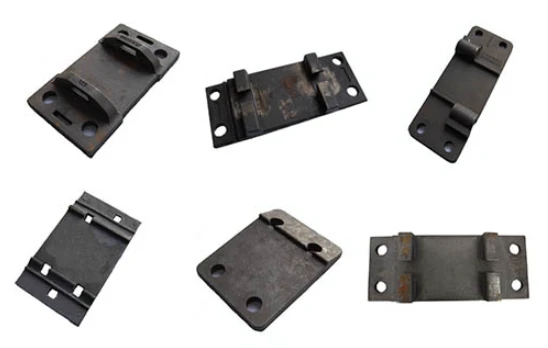
In terms of materials, steel is the most commonly used material for rail tie plates due to its high strength, durability, and resistance to wear and tear. Steel tie plates can be manufactured using various processes, such as hot rolling or cold forging , to achieve the desired properties. Some steel tie plates are also coated with anti-corrosion materials to protect them from the elements and extend their lifespan.
Composite materials are also becoming increasingly popular for rail tie plates. These materials offer several advantages over steel, including lower weight, better shock absorption, and improved resistance to corrosion. Composite tie plates can be made from a variety of materials, such as fiberglass, carbon fiber, or polymer composites. They are often designed to be modular, which makes them easier to install and replace.
Installation and Maintenance of Rail Tie Plates in Heavy-Duty Traffic Areas
Proper installation and maintenance of rail tie plates are essential for ensuring their performance and longevity in heavy-duty traffic areas.
During installation, it is important to ensure that the tie plates are correctly positioned and secured to the sleepers. This may involve using bolts, clips, or other fastening systems to hold the plates in place. The rails should also be properly aligned and secured to the tie plates to ensure a smooth and stable ride for the trains.

Regular maintenance is also crucial for keeping rail tie plates in good condition. This may include inspecting the plates for signs of wear, damage, or corrosion, and replacing any damaged or worn plates as needed. It is also important to keep the tracks clean and free of debris, as this can help to prevent damage to the tie plates and other components of the railway system.
The Role of Rail Tie Plates in the Overall Railway System
Rail tie plates are just one component of the overall railway system, but they play a vital role in ensuring its safety and efficiency. By distributing the load evenly, providing lateral stability, and reducing impact and vibration, rail tie plates help to protect the rails, sleepers, and other components of the railway system from damage and wear. This, in turn, helps to extend the lifespan of the tracks and reduce maintenance costs.

In addition to their functional role, rail tie plates also contribute to the overall aesthetics of the railway system. They are often designed to be visually appealing and can enhance the appearance of the tracks. This can be particularly important in urban areas or areas with high levels of tourism, where the railway system is an important part of the local infrastructure.
Conclusion
In conclusion, rail tie plates are essential components in handling heavy-duty traffic on railways. They play a crucial role in distributing the load, providing lateral stability, and reducing impact and vibration, which helps to protect the rails, sleepers, and other components of the railway system. As a supplier of rail tie plates, I am committed to providing high-quality products that meet the needs of our customers and ensure the safety and efficiency of the railway system.
If you are interested in purchasing rail tie plates for your railway project, please visit our websites Tie Plate Railroad, Tie Plate - Railway Fasteners, and Railway System - Rail Tie Plate for more information. Our team of experts is available to answer any questions you may have and help you select the right rail tie plates for your specific needs. Contact us today to start a procurement discussion and take the first step towards a safer and more efficient railway system.
References
- [1] Smith, J. (2020). Rail Track Engineering and Technology. Routledge.
- [2] Johnson, R. (2019). Railway Engineering: Principles, Practice and Design. Elsevier.
- [3] Brown, A. (2018). Handbook of Railway Engineering. McGraw-Hill.