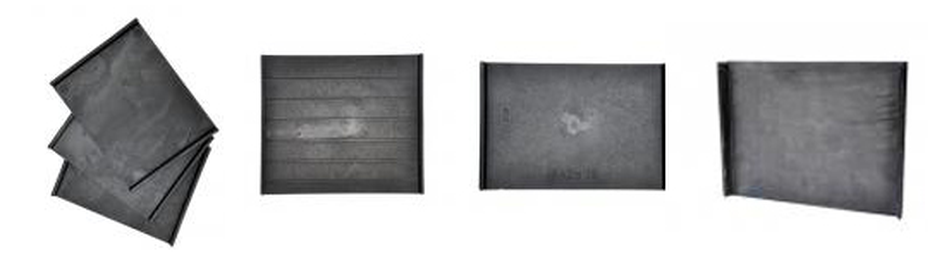
The importance of rail pads
Rail pads are a crucial part in the infrastructure of railways, playing a vital role in ensuring the safe and seamless operation of trains. Positioned between the rails and the rail seat, these pads act as a cushion, absorbing shocks and vibrations generated by passing trains. The primary purpose of rail pads is to safeguard the rails from damage, thus extending their operational lifespan. Additionally, they contribute to noise reduction and electrical insulation, playing a pivotal role in maintaining passenger comfort, safety, and overall efficiency of railway systems. The absence of rail pads would result in significantly higher maintenance and repair costs for railway systems, presenting considerable challenges in managing train operations.
Functions of Rail Pads
Rail pads are vital for the smooth and safe operation of railways, performing key functions to ensure rail track longevity and passenger comfort. Their primary role is to absorb shock and vibrations from passing trains, minimizing wear on the rails and extending their lifespan, thus reducing maintenance costs.
Rail pads also contribute significantly to noise reduction, acting as a barrier between rails and rail seats, crucial in urban areas where excessive noise is a concern. Additionally, they provide electrical insulation, preventing arcing and damage to railway components, ensuring the safety of maintenance workers.
Furthermore, rail pads prevent rail seat abrasion by reducing friction between rails and seats, maintaining the rail system's integrity and minimizing the need for maintenance and repairs. Overall, rail pads are essential components for the efficiency and longevity of railway systems, ensuring a comfortable and safe experience for passengers.