


Pros and Cons of Railway Wood Sleepers
- Natural Material
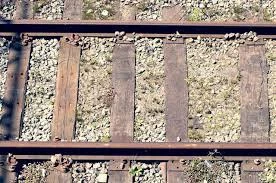
Railway wood sleepers are made directly from solid wood logs, making them the most common type of railway sleeper worldwide. Wood, being a natural polymer material, has been utilized by humans for various applications since ancient times.
- Advantages
Good Elasticity: Wood sleepers offer excellent elasticity, allowing for effective absorption of vibrations and shocks.
Simple Shape: They have a straightforward shape, making them easy to manufacture and handle.
Easy Processing: Wood is readily processed, allowing for customization and adaptation to different railway requirements.
Light Weight: Wood sleepers are lightweight compared to alternatives, facilitating transportation and installation.
Convenient Installation and Replacement: They are easy to lay and replace, contributing to efficient railway maintenance.
Market Dominance: Despite the development of reinforced concrete sleepers, wood sleepers continue to dominate the market due to their inherent advantages and widespread availability.
- Drawbacks
Gradual Reduction: With advancements in railway technology, the usage of wood sleepers is gradually decreasing.
Limitations: Despite their benefits, wood sleepers have inherent limitations, making them less desirable in certain situations.