


In the railway transportation system, the rail surface coating process is not an optional "add-on", but a necessary means to improve rail performance and ensure transportation safety. Its necessity is reflected in multiple dimensions such as coping with complex environmental challenges, extending the life of rails and reducing comprehensive costs.
From the perspective of environmental adaptability, rails are exposed to the outdoors for a long time and face erosion by rain, salt spray, acid and alkali pollutants, etc., especially in coastal areas or industrial areas. Ordinary rails are very easy to rust and corrode, resulting in thinning or even fracture of the cross section. However, processes such as hot-dip galvanizing and zinc-aluminum composite coating can form a dense protective film on the surface of the rails, isolate external corrosive media, increase the rails' anti-rust ability by several times, and significantly reduce sudden safety hazards.
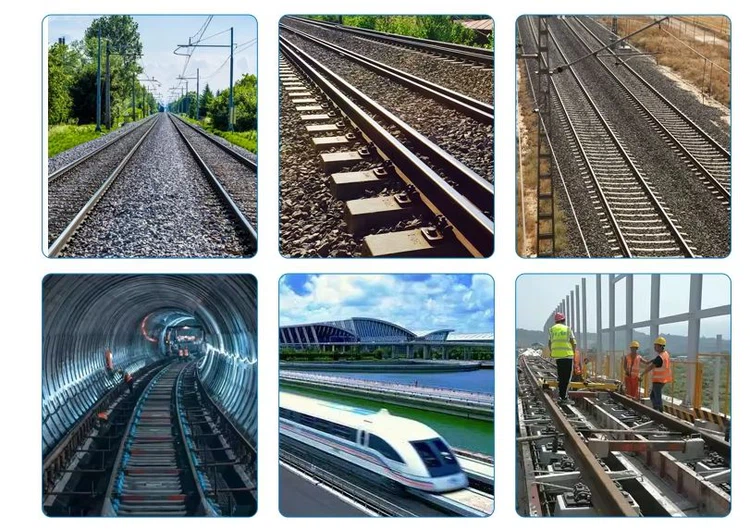
In terms of performance improvement, the coating process can specifically solve the wear and fatigue problems of rails. In heavy-duty railways, high-frequency friction between wheels and rails can easily lead to wear and peeling of the rail surface. The use of electroplated chrome or thermal sprayed tungsten carbide coatings can improve the wear resistance of rails by 20%-50%, reduce train running resistance, and reduce energy consumption; on high-speed rail lines, coatings can also optimize the smoothness of the rail surface, reduce noise and vibration, and improve riding comfort.
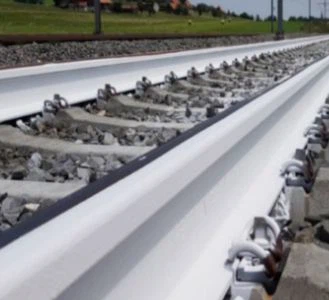
From a cost-effectiveness perspective, although the coating process will increase the initial investment, its economic efficiency is significant from the perspective of the entire life cycle. The cost of frequent replacement and maintenance of uncoated rails is much higher than that of rails with long-lasting coatings. For example, nano-composite coatings can extend the life of rails by more than 30%, reducing the frequency of replacement and downtime losses; intelligent monitoring coatings can assist in precise maintenance by providing real-time feedback on damage conditions, avoiding excessive maintenance or escalation of faults.
In addition, as environmental regulations become stricter, some coating processes (such as water-based coatings and cyanide-free electroplating) can reduce pollution emissions and avoid environmental risks. Therefore, whether from the perspective of safety, economy or sustainability, rail surface coating technology is an indispensable key link in railway construction and operation and maintenance.
To provide the best solution, please let us know:
Where will the rails be used (project type, environment)?
Do you need any processing such as bending, drilling, or coating?
Are there specific requirements for load, speed, or length?
We'll reply promptly with a custom offer and lead time.