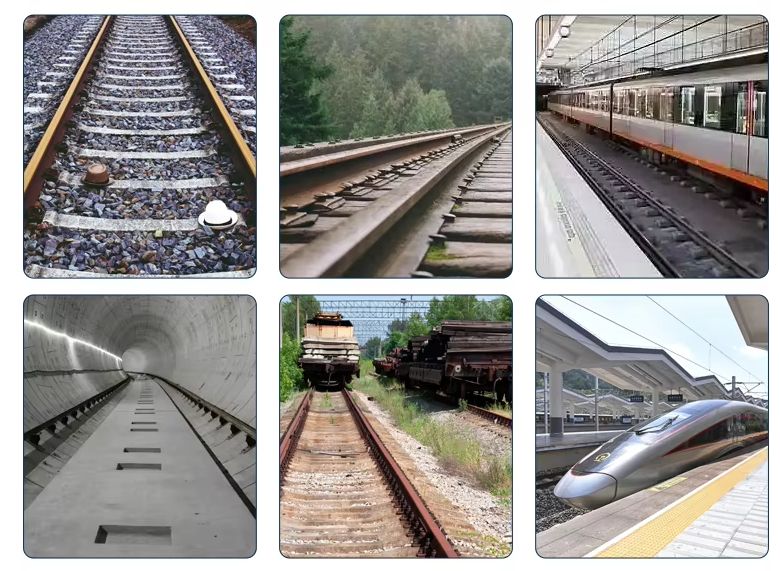
There are significant differences between GB heavy rail and light rail in multiple aspects to meet different transportation needs.
From the perspective of usage, GB heavy rail is mainly used on tracks for the operation of heavy vehicles, such as high-speed railways, heavy-duty railways, subways, and other heavy rail railways. These lines have extremely high requirements for the load-bearing capacity of the track. GB heavy rail, with its strong load-bearing performance, can stably support train operation and ensure transportation safety. Light rail is usually used in urban rail transit systems with relatively low passenger flow and light vehicle weight, such as tram lines in some cities.
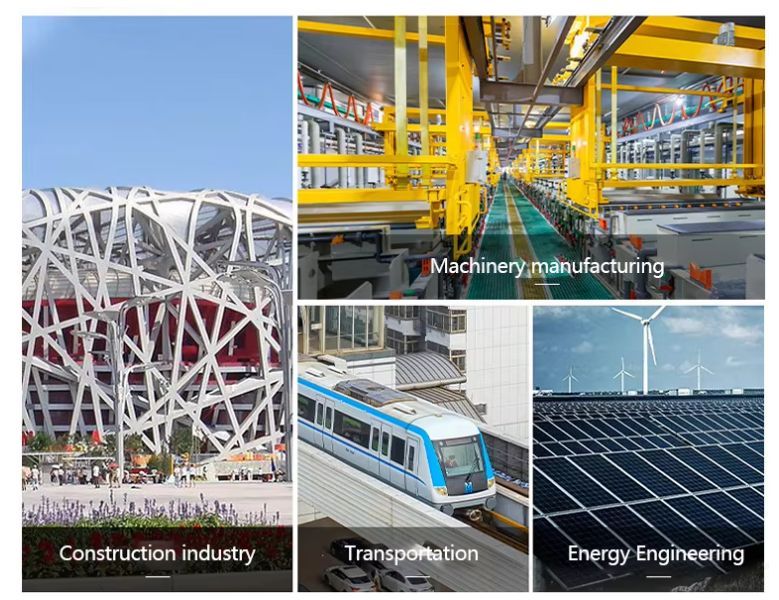
There is a clear difference between the two in terms of rail specifications. GB heavy rail has a nominal weight of more than 60 kilograms per meter, with common specifications including 60kg/m, 75kg/m, etc. The rail type is relatively large, and the cross-sectional size is wide and thick. For example, a 60kg/m heavy rail with a rail height of 176mm, a bottom width of 150mm, and a waist thickness of 16.5mm. In contrast, light rail has a lighter weight per meter and a relatively smaller rail type. Common light rail specifications may be below 30kg/m, and the size parameters are much smaller than heavy rail.
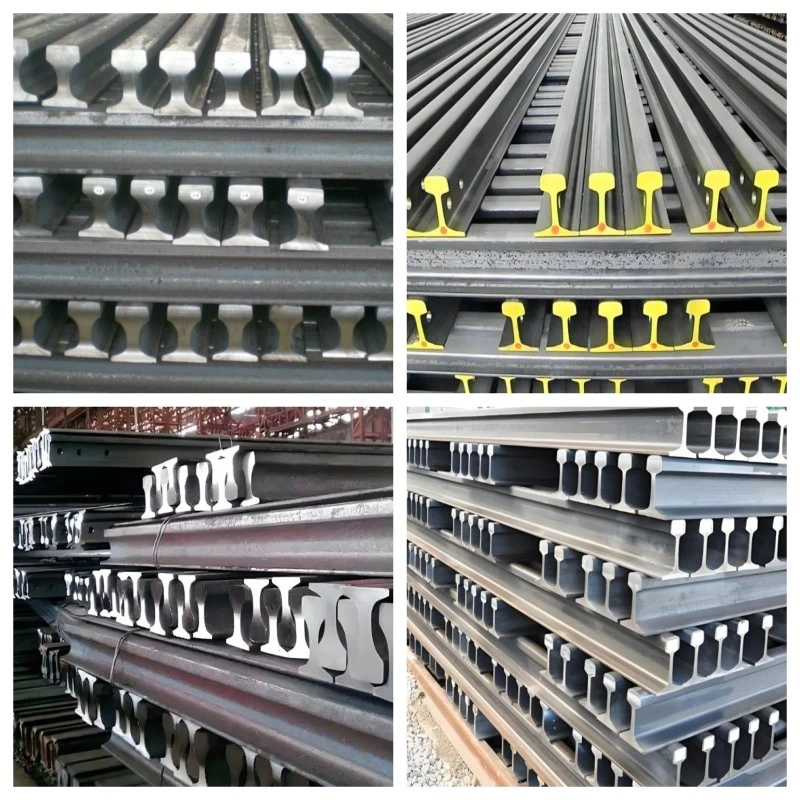
In terms of performance, GB heavy rail has a larger cross-section than light rail, can withstand greater forces, and has higher strength, hardness, and toughness. This enables heavy rail to cope with the enormous pressure, impact loads, and friction brought by high-speed and heavy-duty trains. Light rail, while meeting its own usage scenarios, has relatively lower performance requirements than heavy rail. These differences determine that GB heavy rail and light rail play unique and irreplaceable roles in their respective applicable fields.