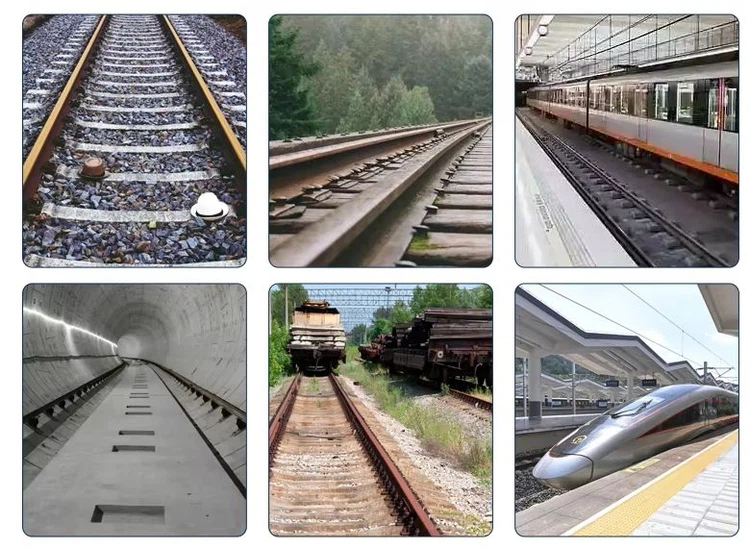
The heavy rail market presents an oligopolistic competition pattern, with the top 5 global producers occupying 70% of the market share. Chinese enterprises, with the advantage of a complete industrial chain, have competitiveness in terms of price and delivery cycle, and the cost-effectiveness of exported products exceeds international peers by 15% -20%. European companies focus on the high-end market, and the "smart rail" developed by German company ThyssenKrupp has built-in sensors that can monitor stress changes in real time. The unit price of the product is three times higher than that of ordinary rails.
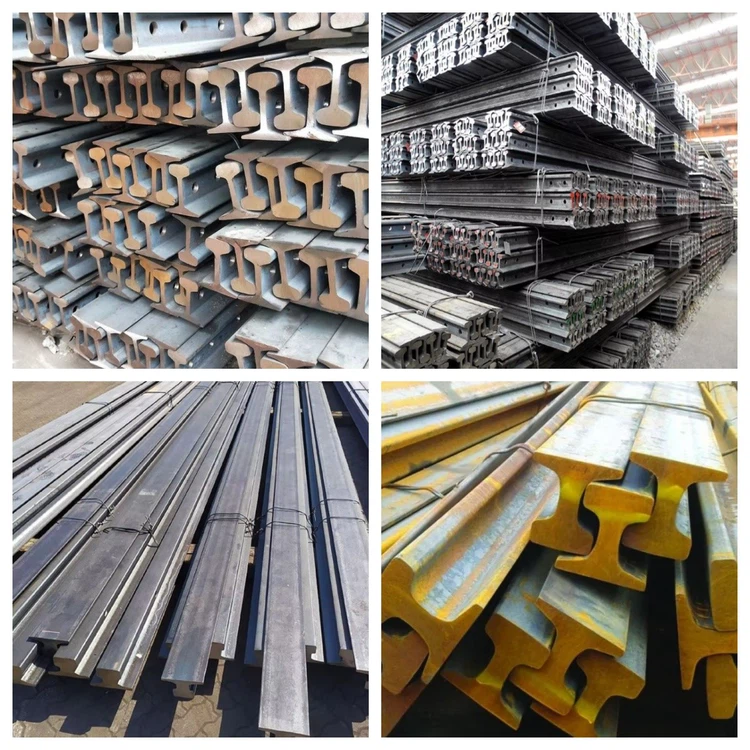
Each enterprise's competitive strategy has its own focus: large steel enterprises reduce costs through economies of scale, such as Chinese enterprises reducing unit production costs by 12% by building 10 million ton heavy rail bases; Small and medium-sized enterprises focus on niche markets, such as the development of "weather resistant heavy rail", which has a winning rate of 85% in coastal railway projects. At the same time, enterprises actively layout overseas markets, avoiding trade barriers and enhancing global competitiveness through localized factory construction, technology licensing, and other means.