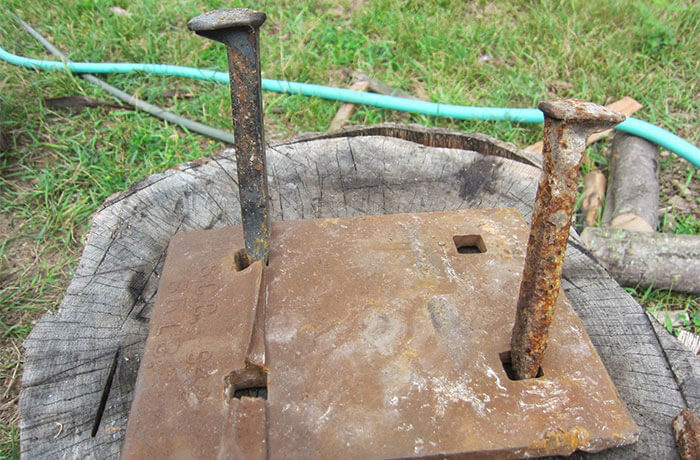
Railroad Fasteners Development History
The development of railroad fasteners began in the early 19th century alongside the emergence of railway systems. Initially, basic fastening methods like wooden pegs and iron spikes were used. However, as railways expanded, there was a need for more secure and durable fastening systems. Railroad tie plates were introduced to distribute the load of the rail and provide stability.
As railway networks grew, advancements in fastening technology became crucial for safety and efficiency. Cast iron and steel tie plates, along with improvements in rail spikes and bolts, were introduced to enhance durability. Standardization efforts were made to ensure consistency and reliability across railway networks.
In the 20th and 21st centuries, technological advancements led to the development of high-strength materials and innovative manufacturing processes. These innovations resulted in lightweight yet durable fastening solutions with tighter tolerances and superior performance.
Overall, the history of railroad fasteners reflects continuous evolution to meet the demands of transportation systems, ensuring safety, reliability, and efficiency in rail transportation worldwide.