


Rail overturning and tilting risks and the lateral restraint capacity of fasteners
Q1: What factors induce rail overturning?
A1: Improper curve superelevation, strong wheel flange impact, gauge widening, clip failure, and insufficient fastener lateral resistance can all induce rail overturning.
Q2: Why does insufficient lateral fastener restraint directly cause overturning?
A2: Weak restraint cannot resist lateral forces; the rail tilts outward around the rail base edge, causing sharp gauge widening and high derailment risk.
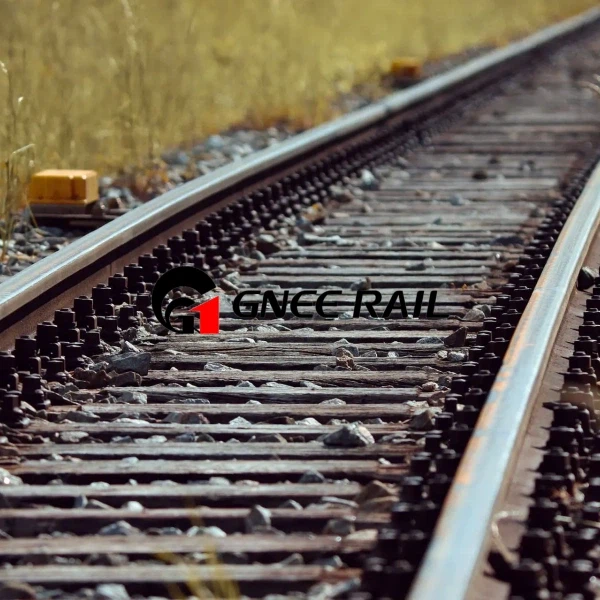
Q3: What role do clips play in resisting overturning?
A3: Clamps press the rail base to provide friction and lateral restraint, limiting tilting and maintaining stable rail attitude.
Q4: How do gauge blocks and shoulders cooperate against overturning?
A4: Gauge blocks transmit lateral force to shoulders, forming rigid support to resist overturning moment and prevent rail eversion.
Q5: How to improve the system's ability to resist rail overturning?
A5: Ensure sufficient clamping force; use high-lateral-resistance fasteners; strengthen restraint in curves; replace failed clips and damaged shoulders promptly.