


Classification by application scenario
Nabla system for high-speed rail: In high-speed operation environment, trains have extremely high requirements for track stability. This system is precisely designed and can effectively absorb the high-frequency vibration and strong impact generated by high-speed trains.
Nabla system for urban rail transit: Urban subways, light rails, etc. have large passenger flow and frequent starts and stops. In view of this situation, the Nabla system used in urban rail transit is designed to pay more attention to noise reduction and vibration reduction performance. Through special elastic elements and structural design, it can greatly reduce the transmission of noise and vibration generated by train operation to the surrounding environment, creating a quiet and comfortable living environment for urban residents. At the same time, the system also has good durability and can adapt to the high-intensity operation needs of urban rail transit.
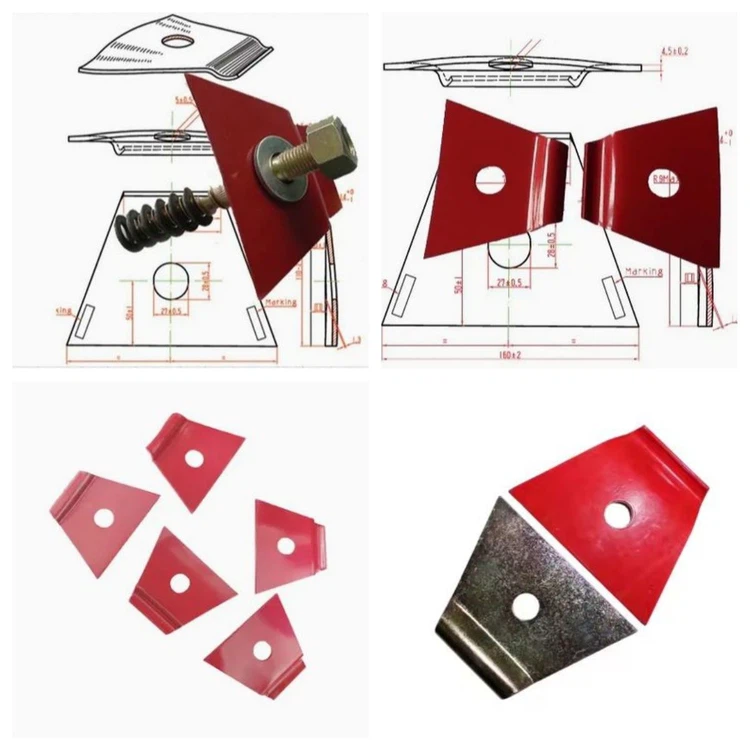
Nabla system for ordinary railways: Ordinary railway transportation has high requirements for the versatility and economy of rail fastener systems. This type of Nabla system has a relatively simple structure, is easy to install and maintain, and can effectively control costs while ensuring the basic stability of the track.
Classification by structural form
Shrapnel-type Nabla system: Shrapnel is the core component of the system, usually made of high-strength spring steel, with good elasticity and fatigue life. This structure is simple and easy to install, and can maintain a stable buckle pressure during long-term use, effectively preventing the displacement of the rail.
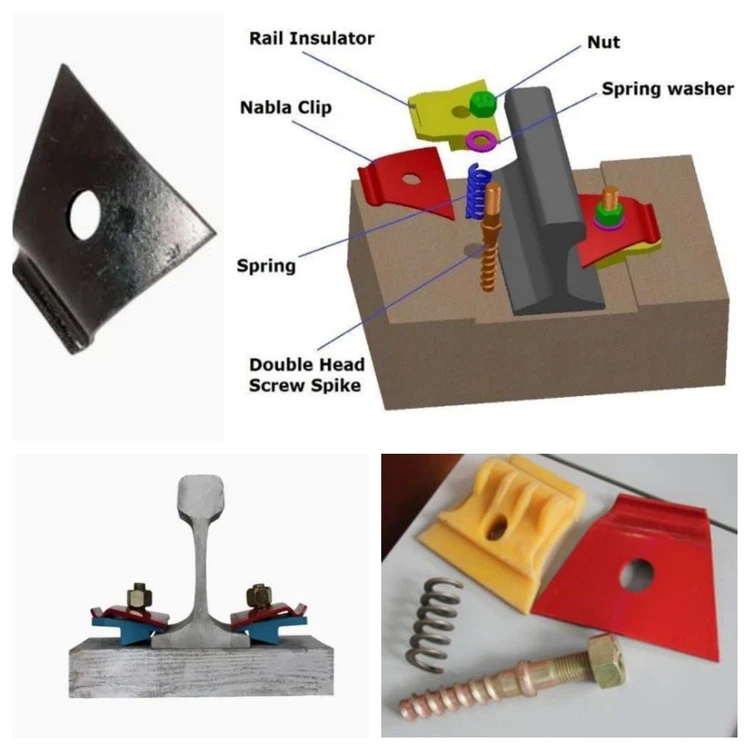
Combined Nabla system: This system combines a variety of components with different functions to work together. Generally, it includes specially designed connecting plates, elastic pads, and matching bolts, nuts, etc.