


Mechanism of Accelerated Corrosion and Electrochemical Corrosion in Fastener Systems by Water Accumulation
Q1: Why does accumulated water significantly accelerate fastener corrosion?
A1: Accumulated water forms a water film, providing an electrolyte environment for electrochemical corrosion, with oxygen and moisture continuously participating in the reaction, and the corrosion rate is several times faster than that in a dry environment. Sediment and impurities in water further form micro-batteries, and the corrosion process continues to accelerate.

Q2: Why is electrochemical corrosion more obvious in electrified railway sections?
A2: Stray current formed by traction current leakage causes potential difference between fasteners, rails and sleepers, triggering strong electrochemical corrosion. Metal components such as bolts and sleeves become anodes, rapidly dissolving and corroding, greatly shortening the failure cycle.
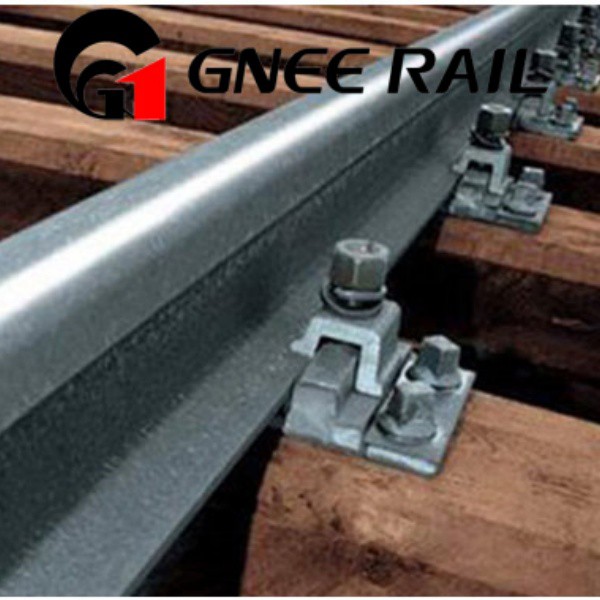
Q3: Why is corrosion most serious in curves and low-lying sections?
A3: Drainage in these sections is poor, with long-term accumulated water and saturated humidity. At the same time, curves bear large force and heavy wear, surface protective layers are easily damaged, corrosion is more likely to invade the substrate, forming dual damage of "wear + corrosion".
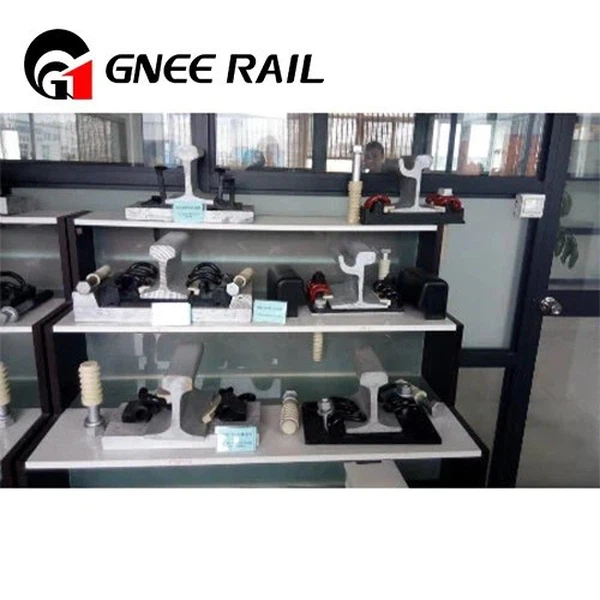
Q4: How much does corrosion affect the tensile and shear strength of bolts?
A4: Corrosion reduces the effective section of bolts, generates corrosion pit stress concentration on the surface, and significantly decreases strength. Severe corrosion can reduce tensile strength by more than 30%, making sudden fracture extremely likely under vibration load.
Q5: How to suppress fastener water corrosion and electrochemical corrosion?
A5: Improve drainage conditions and remove accumulated water and silt in a timely manner. Adopt anti-corrosion components such as galvanized and Dacromet. Strengthen insulation in electrified sections to reduce stray current. Regularly derust and repair anti-corrosion coatings to maintain intact component surfaces.