


Crane rails (such as QU70, QU80, QU100, QU120, etc.) are core load-bearing components for the operation of heavy equipment. Their material properties directly affect the safety, stability and service life of the equipment. In recent years, with the growing demand for port automation, heavy mining and large industrial plants, the market demand for high-strength and high-wear-resistant rails has increased significantly.
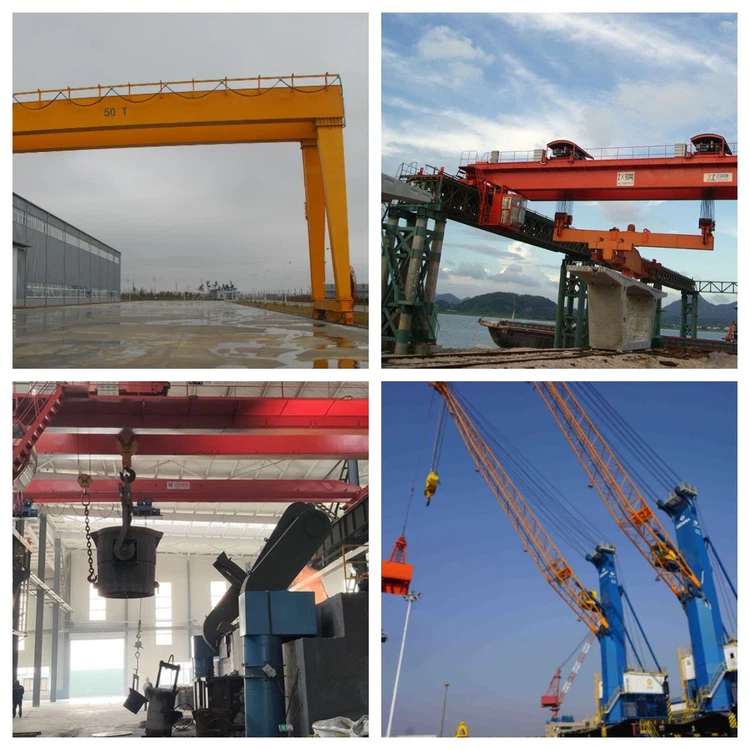
Material technology breakthroughs
Traditional crane rails mostly use U71Mn steel, but they are prone to fatigue cracks under extreme loads or high-frequency operating environments. At present, leading domestic and foreign companies have turned to high-carbon micro-alloy steels (such as U75V, U20Mn2) and optimized performance through the following processes:
- Online residual heat quenching (RQ process): Direct quenching using residual heat after rolling to increase the hardness of the rail head (HB≥320) while maintaining the toughness of the rail waist.
- Bainite rail technology: Bainite rails developed in Europe (such as Voestalpine) have higher wear resistance and contact fatigue resistance, and are suitable for high-frequency, heavy-load crane conditions.
Industry Challenges
- Residual stress control: Heavy rails are prone to internal stress during rolling and cooling, resulting in later deformation, which needs to be optimized through hot straightening + aging treatment.
- Welding performance: High-carbon rails are difficult to weld, and flash welding or gas pressure welding is required, and the preheating and slow cooling processes must be strictly controlled.