


With the development of the global economy and the advancement of infrastructure construction, the market demand for heavy rail has shown a sustained growth trend, while a series of new development trends have also emerged in the fields of technology and application.
In terms of market demand, the continuous expansion of railway construction is the main driving force for the growth of heavy rail demand. In recent years, many countries have increased their investment in high-speed railways, heavy-duty railways, and urban rail transit.

In the field of high-speed railways, with the increasing demand for travel speed and convenience, more and more countries and regions are planning and constructing high-speed railway lines. For example, China, Europe, Southeast Asia and other regions are actively promoting high-speed rail projects, which continues to increase the demand for high-speed heavy rail. In terms of heavy-duty railways, in order to meet the growing demand for freight transportation, especially for the transportation of bulk commodities such as coal and ore, countries are constantly strengthening the construction of heavy-duty railways, and the demand for heavy rails that can withstand larger loads is also increasing accordingly. The rapid development of urban rail transit has also brought vast space for the heavy rail market. With the acceleration of urbanization, more and more cities are planning and constructing urban rail transit systems such as subways and light rails, which require a large amount of heavy rail products.
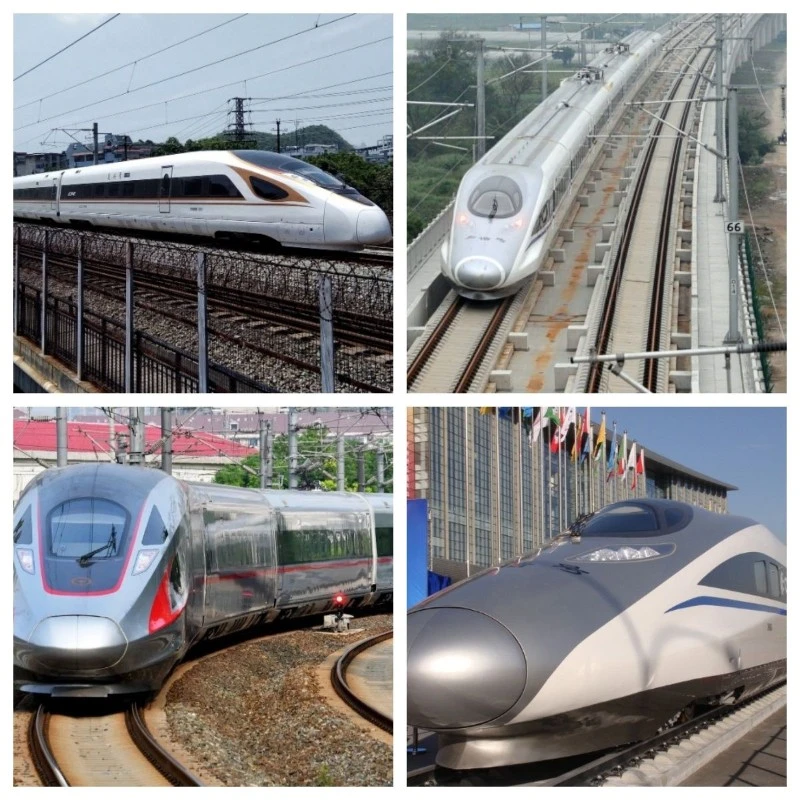
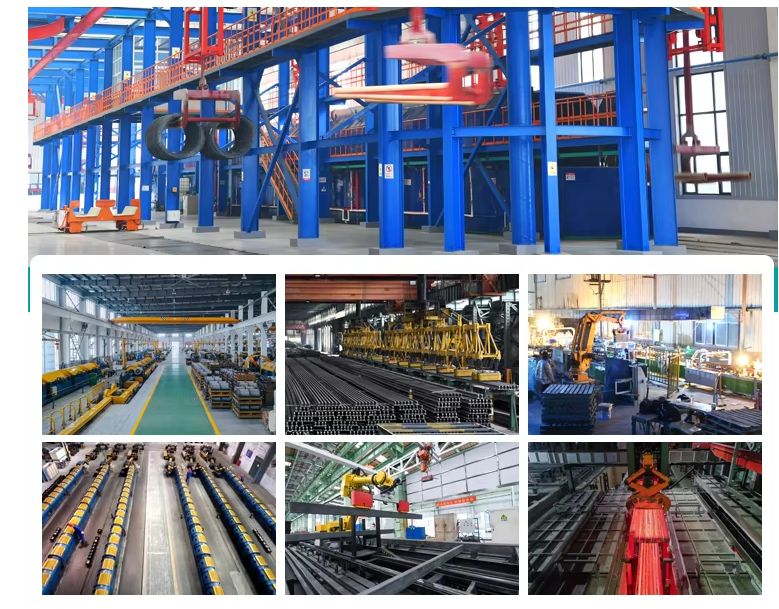
From the perspective of development trends, technological innovation is an important direction for the heavy rail industry. On the one hand, the increasing demand for heavy rail performance has prompted enterprises to develop heavy rail products with higher strength, toughness, and excellent wear resistance. For example, by improving the composition design of steel grades and optimizing production processes, a new type of heavy rail steel grade that can adapt to high-speed and heavy-duty transportation conditions has been developed. On the other hand, the intelligence and greenization of production processes have become a trend. In terms of intelligent production, the use of automation control technology, big data analysis and other means can achieve precise control of the heavy rail production process, improve production efficiency and product quality stability. In terms of greening, heavy rail production enterprises are committed to reducing energy consumption and pollutant emissions, adopting advanced energy-saving and emission reduction technologies such as waste heat recovery and utilization, environmentally friendly smelting processes, etc., to achieve sustainable development.
In addition, with the promotion of the "the Belt and Road" initiative, international railway construction cooperation has become increasingly frequent, bringing more international market opportunities for heavy rail enterprises. China and other major heavy rail producing countries have strong competitiveness in the international market with advanced technology and mature industrial systems, and are expected to further expand their overseas market share, promoting the development of the heavy rail industry on a global scale.