


Comparison of Corrosion Mechanisms and Long-Term Performance of Anti-corrosion Coatings for Rail Bolts
Q1: What is the main process of electrochemical corrosion on track bolts?
A1: Rain and dew form a water film on bolts, dissolving CO₂ and salt to create an electrolyte environment. The bolt matrix acts as an anode, oxidizing to release iron ions; the cathode reduces oxygen to form hydroxide, eventually producing rust. Stray current further accelerates anodic dissolution, multiplying corrosion rate. Thread gaps trap water and form occluded corrosion cells, causing pitting and stress corrosion that severely reduce bolt strength.
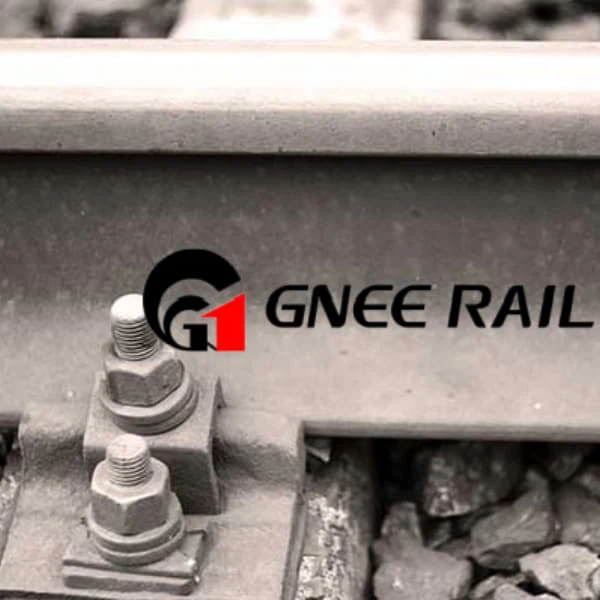
Q2: Why is bolt corrosion more severe in curves and turnouts?
A2: Severe vibration in curves and turnouts easily damages coatings via micro-movement and wear, losing protection. These areas also accumulate more dust and iron powder, which absorb moisture to form conductive media and accelerate electrochemical corrosion. Poor drainage retains water long-term, further promoting corrosion. Complex loading also induces micro-cracks, allowing easier penetration of corrosive media and causing corrosion fatigue.

Q3: What are the pros and cons of hot-dip galvanized bolts in track environments?
A3: Hot-dip galvanized coatings are thick, well-bonded, provide good initial corrosion resistance at relatively low cost, suitable for ordinary lines. However, zinc layers wear easily under vibration and friction, limiting service life. In high salt spray and stray current areas, zinc depletes quickly, showing red rust after a few years. Hot-dip galvanizing also carries hydrogen embrittlement risk, requiring strict process control for high-strength bolts.

Q4: Why is Dacromet coating more suitable for high-strength track bolts?
A4: Dacromet coating is thin, dense and free of hydrogen embrittlement, ideal for high-strength track bolts. Its salt spray resistance far exceeds hot-dip galvanizing, offering longer life in coastal and de-icing salt areas. Stable friction coefficient benefits torque control and resists loosening. It also resists high temperature and aging, does not easily peel under long-term vibration, and continuously protects bolts from corrosion and fatigue fracture.
Q5: How to extend bolt coating life through operation and maintenance?
A5: Avoid knocking or scratching coatings during installation to maintain surface integrity. Regularly clean dust, debris and water from bolts to reduce corrosive medium retention. Repair slightly damaged areas with anti-corrosion paint to stop rust expansion. Retorque gently to prevent coating loss from excessive friction. Shorten inspection intervals in severely corrosive zones, replace over-corroded bolts promptly, and ensure joint fastening safety.