


Causes of Insufficient Pull-out Strength of Rail Spikes and Anchorage Quality Control
What are the main causes of insufficient spike pull-out resistance?
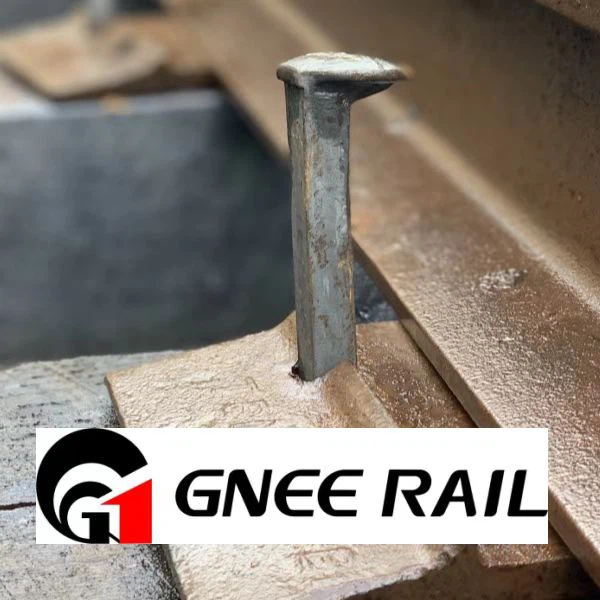
Poor anchoring material strength cannot provide enough grip. Oil, rust and dirt on spike surface reduce bonding. Dust and water in holes weaken the connection between material and concrete. Incomplete filling and cavities reduce effective bearing area. Inclined position and insufficient depth also lower pull-out resistance.
Why do ratio and curing time influence pull-out resistance?
Wrong ratio leads to low strength, brittleness and easy cracking. Short curing time results in incomplete strength development. Low temperature prolongs curing and causes early failure. Ratio and curing are key controls for chemical anchoring. Strict operation ensures stable and high pull-out resistance.

Why is spike surface condition so important?
Rust, oil and dirt form isolation layer and block bonding. Clean and rough surface provides better bonding and interlocking. Too smooth surface reduces mechanical retention and allows pulling out. Surface must be cleaned and even roughened before installation. Good surface condition is the basis of high pull-out resistance.

How to improve pull-out resistance in construction?
Clean dust, debris and water in anchoring holes thoroughly. Mix anchoring material in correct ratio and stir evenly. Fill holes fully and compactly to avoid cavities. Insert spike vertically to enough depth and fix till curing. Keep sufficient curing time without early load. Standard construction directly improves pull-out resistance.
What risks exist if weak spikes are not replaced?
Spikes loosen and lift under vibration and lose restraint function. Lateral rail displacement increases and gauge exceeds limit. Serious conditions cause unstable running and high risks. Loose spikes damage surrounding concrete and expand defects. Weak spikes must be treated in time to avoid accidents.