

Hey there! As a supplier of rail fasteners, I'm super excited to take you on a journey through the history of these essential components. Rail fasteners might seem like small parts, but they play a huge role in the safety and efficiency of railway systems around the world.
Let's start way back in the early days of railroads. The first railroads emerged in the 18th century, and at that time, the technology for rail fasteners was pretty basic. Wooden pegs and nails were commonly used to secure the rails to the sleepers. These simple fasteners did the job to some extent, but they had their limitations. They weren't very durable, and they could easily come loose over time, especially with the constant vibration and heavy loads that trains carried.
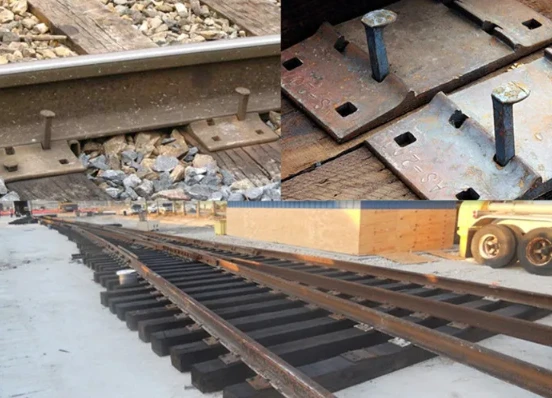
As the demand for more reliable and efficient rail systems grew, so did the need for better rail fasteners. In the 19th century, the development of iron and steel led to significant improvements in fastener technology. Cast iron chairs were introduced, which provided a more stable way to hold the rails in place. These chairs were designed to cradle the base of the rail and were secured to the sleepers using bolts or spikes. This was a big step forward in terms of rail stability and safety.
During the same period, the use of spikes became more widespread. Spikes were driven into the sleepers to hold the rails firmly. They were relatively easy to install and were effective in keeping the rails in position. However, spikes also had their drawbacks. They could cause damage to the sleepers over time, and they were not very adjustable.
In the early 20th century, the invention of the elastic rail clip revolutionized the rail fastener industry. Elastic clips, like the Rail Clip GL1419, are designed to provide a flexible and secure connection between the rail and the sleeper. They can absorb the vibrations and shocks generated by passing trains, reducing the stress on the rail and the sleeper. This not only extends the lifespan of the rail system but also improves the ride quality for passengers.
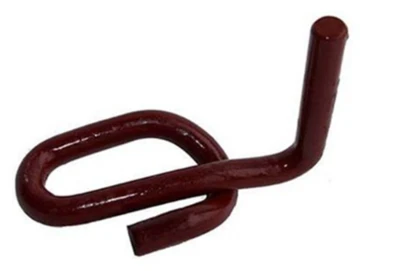
Another important development in rail fastener technology was the introduction of the Crane Rail System Fixing Clips. These clips are specifically designed for crane rail systems, which require a high level of stability and precision. They are made from high-strength materials and are engineered to withstand the heavy loads and dynamic forces associated with crane operations.
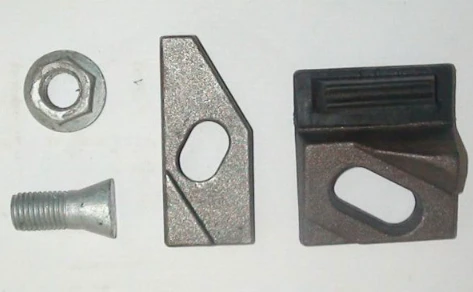
In recent years, there has been a growing focus on the use of advanced materials and manufacturing techniques in the production of rail fasteners. For example, the Tr Thread Rail Screw Spike is made from high-strength steel and features a unique thread design that provides a more secure and reliable connection. These modern fasteners are not only more durable but also easier to install and maintain.

As a rail fastener supplier, we understand the importance of staying up-to-date with the latest technological advancements. We offer a wide range of high-quality rail fasteners that are designed to meet the specific needs of our customers. Whether you're building a new railway line, upgrading an existing system, or looking for replacement parts, we've got you covered.
If you're in the market for rail fasteners, I encourage you to get in touch with us. We'd be more than happy to discuss your requirements and provide you with a customized solution. Our team of experts is always on hand to offer advice and support, and we're committed to providing the best possible service to our customers.
In conclusion, the history of rail fasteners is a fascinating story of innovation and progress. From the simple wooden pegs of the early days to the advanced clips and screws of today, rail fasteners have come a long way. As the railway industry continues to evolve, we can expect to see even more exciting developments in rail fastener technology in the future.
References:
- [Insert relevant references here, e.g., books, articles, industry reports]