

Hey there! As a supplier of rail anchors, I often get asked if rail anchors can be used in underground railways. Well, let's dive right into this topic and find out.
First off, what are rail anchors anyway? Rail anchors are a type of railway fastener that play a crucial role in keeping the rails in place. They prevent the rails from moving laterally and longitudinally, which is super important for the safety and stability of the railway track. You can check out more about them on our website Rail Anchor--Railway Fasteners.
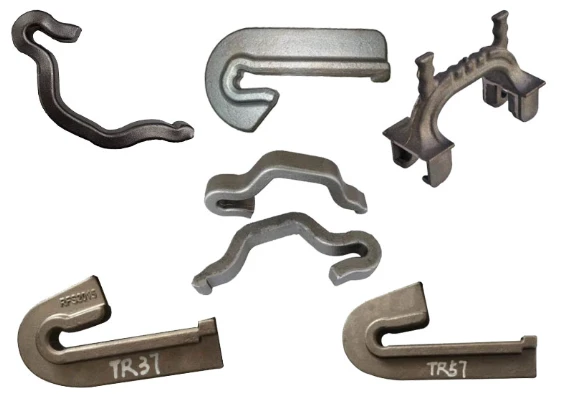
Now, let's talk about underground railways. These are a vital part of modern transportation systems, especially in big cities. They carry millions of passengers every day, and the safety and reliability of the tracks are of utmost importance.
So, can rail anchors be used in underground railways? The answer is a big yes! Rail anchors are highly suitable for underground railways for several reasons.
One of the main reasons is that underground railways are subject to a lot of vibration and dynamic loads. Trains moving at high speeds create significant forces that can cause the rails to shift. Rail anchors help to counteract these forces by providing a strong and stable connection between the rails and the sleepers. They hold the rails firmly in place, reducing the risk of derailment and ensuring a smooth and safe ride for passengers.
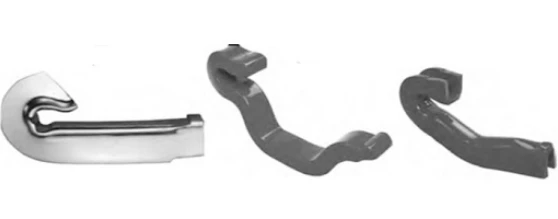
Another advantage of using rail anchors in underground railways is their durability. Underground environments can be harsh, with factors like moisture, humidity, and chemical exposure. Our rail anchors are made from high - quality materials that are resistant to corrosion and wear. For example, the 91 LB Rail Tie Anchor is designed to withstand these tough conditions and maintain its performance over a long period.
Rail anchors also offer flexibility in installation. They can be easily installed on different types of sleepers, whether they are made of wood, concrete, or composite materials. This makes them a versatile choice for underground railway projects, where different track configurations may be required.
In addition, rail anchors help to reduce maintenance costs. By keeping the rails in place, they minimize the need for frequent track adjustments and repairs. This not only saves time but also reduces the overall cost of operating the underground railway system.
Let's take a look at some real - world examples. In many major cities around the world, such as London, New York, and Tokyo, rail anchors are widely used in their underground railway networks. These cities have been relying on rail anchors for decades to ensure the safety and efficiency of their subway systems.

However, it's important to choose the right type of rail anchor for underground railways. Different underground railway projects may have different requirements in terms of load capacity, track geometry, and environmental conditions. That's where our expertise as a rail anchor supplier comes in. We can provide customized solutions based on your specific needs.
If you're involved in an underground railway project, or if you're looking to upgrade your existing railway system, you might be interested in our Railroad Track Anchors. These anchors are designed to meet the highest standards of quality and performance.
We have a team of experts who can help you select the most suitable rail anchors for your project. Whether you need advice on installation, or you want to know more about the technical specifications of our products, we're here to assist you.
If you're considering using rail anchors in your underground railway project, don't hesitate to get in touch with us. We can provide you with detailed information, samples, and competitive quotes. Our goal is to help you create a safe, reliable, and efficient underground railway system. So, let's start a conversation and see how we can work together to meet your needs.
References:
- Railway Engineering textbooks
- Industry reports on underground railway infrastructure
So, if you've got any questions or if you're ready to start a procurement discussion, reach out to us. We're looking forward to hearing from you!